
Are you a person who, among millions of others, suffers from asthma? The article below contains simple tips to help you manage your asthma symptoms.
If you are afflicted with asthma, it is critical that you don’t smoke. Although smoking is bad for all people, it is especially worse for asthma patients because it cuts off the oxygen supply that you need in order for your lungs to function and keep away asthma attacks.
If you are an asthma sufferer, you need to avoid smoking and exposure to fumes or vapors of any kind. You should avoid all tobacco products. You also need to consider where you see employment. If you have asthma, you should not work in areas where you will be exposed to smoke or vapors as they could cause you to have an asthma attack.
If you suffer from asthma, stay away from the fumes of household cleaning products. Cleaning products may contain chemicals which can trigger an asthmatic episode, such as ammonia. It is advisable to consider using products that have an organic base when cleaning.
Suffer from asthma? It is vital that you not smoke tobacco; if you do, quit. Although smoking is terrible for everyone, it is even worse for an asthma sufferer due to less oxygen supply in the lungs and that can trigger an attack.
In order to prevent asthma attacks, keep away from triggers. For many, allergens like dust and pollen, can trigger their attacks. Others may have attacks that are triggered by physical activity. Try to figure out when your asthma began so it can be avoided.
Know situations and conditions that cause asthma attacks for you, and stay away from them in the future as much as possible. For some people, this can be pollen or other allergy triggers. For others, physical activity can irritate them. Knowing exactly what sets off your asthma is thus, very important.
Prescriptions and over-the-counter medications can actually trigger an asthma attack. Some NSAIDs and aspirins will do this for you. Beta blockers can also have this affect, as well as other medications for controlling high blood pressure and heart disease. It is important to talk openly with your doctor about your asthma so that you do not take any medications that could be harmful to you.
Asthma Symptoms
If you are dealing with asthma, keep far away from cigarette smoke. Never smoke yourself! Avoid breathing chemical fumes and vapors. Doing so can cause an asthma attack you might not have the ability to stop. The minute you spot people smoking, immediately remove yourself from the area.
Some medications that you may take unknowingly can cause you to have asthma symptoms. Among these medications are aspirin and other NSAIDs. Additionally, beta blockers, a type of medication used for heart disease and hypertension, may cause asthma symptoms. Talk to a doctor if you have any of these conditions along with asthma.
Be sure you and your family members get a yearly flu vaccination. Try to avoid getting any respiratory infections if you have asthma. Common method of avoiding illnesses can be very effective. Keep your vaccinations up to date and wash your hands frequently.
If you have asthma, it is imperative that you stay away from smokers. When you breathe in smoke, especially in small spaces, it diminishes breathing ability, which greatly increases the probability of an asthma attack.
It has been shown that use of four or more different kinds of cleaning products can raise the risk of asthma attacks. To limit the chemicals in the air, look for organic cleaning alternatives.
Unscented products are best for asthma sufferers. Scented products should be avoided, such as air fresheners, perfume, and incense. These can increase the amount of air pollution in the home and even trigger an attack. Fresh paint and new carpeting give off odors that can irritate sensitive airways. Keep your indoor air as clean as you can.
If you have asthma, avoid people who smoke. When you inhale smoke, especially in close quarters, lung functioning is decreased, and it can trigger an attack.
Keep dust and dirt to a minimum in any bedroom where an asthma sufferer sleeps. Food must only be allowed in the kitchen area, and there should be no smoking in the house at all. Harsh chemicals, like bleach and ammonia, can trigger asthma.
If you deal with asthma in your life, always choose products that are free of scents. Scented products such as air fresheners, incense and perfume heighten the degree of indoor air impurities and may possibly contribute to an attack. Put down some new carpeting and throw up a coat of paint to get rid of indoor odors. Keep the air inside your home clean and fresh, and free of any asthma triggers.
Stand ready for a boost to your asthma treatment should you suffer from illnesses like colds or hay fever. Some illnesses create issues that make it necessary to increase medication temporarily. Your regular medication may also need to be combined with other treatments your doctor may recommend.
Keep your home meticulously clean to reduce attack potential if there is an asthma sufferer living there, especially the bedroom. Do not allow smoking in your house, and keep food in your kitchen. If you clean with any harsh chemicals or bleach, make sure to ventilate thoroughly afterwards.
Support Group
Pay attention to your symptom triggers. The more aware of your triggers you become, the easier it will be to avoid them and reduce the number of attacks you suffer. Some common asthma triggers include pet dander, pollen, and cigarette smoke. When it is possible avoid substances that make you have symptoms or attacks.
Think about becoming a member of a support group, whether it is online or somewhere local. Asthma can be quite debilitating, especially if the asthma is severe, and this condition can interfere with daily life. By joining a support group, you will be able to discuss new scientific breakthroughs or treatment alternatives with those who are interested.
Take your rescue inhaler and keep it handy when you travel. The stress of travel may temporarily weaken your body and make you more vulnerable to attack triggers. It is also hard to predict what will come up or to control your environment when you travel, which increases the chances of experiencing more severe symptoms or an attack.
In the winter, prevent attacks by wearing shawls, mufflers and scarves that cover the nose and mouth. You can inhale warmer air into your body with these. In multiple studies, breathing cold air is linked to increased asthma attacks. This link is especially pronounced in younger children.
Many of the most common asthma triggers are found in the home. These triggers inside the home are usually spores, mold and dust. If you want to prevent and manage these sources of asthma attacks, have regular home inspections by a professional, and get identified harming agents cleaned out. Cleaning your house on a regular basis is one way to keep these substances from accumulating.
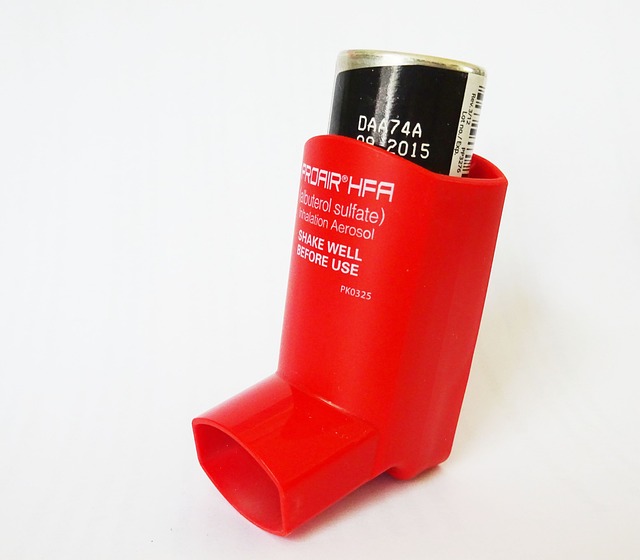
Be sure to thoroughly understand how to utilize asthma medication correctly, particularly any rescue medication. When you have asthma, you should be on a maintenance medication and have an emergency medicine for asthma attacks. Usually this is in the form of an inhaler. It’s crucial that medication for management of asthma is taken regularly, and that rescue medication is also used when appropriate.
Humidity in the home can create an environment that is ideal for mold and mildew to grow. Mold and mildew can easily cause severe asthma attacks. Therefore, it is important to make sure your home is dry. During the winter, you can use a dehumidifier to control humidity when using a heater, and an air conditioner during the summer will help keep your home dry.
Asthma usually takes an extended interval of time to fully develop, and the warning signs are rarely obvious. Sometimes, a person can die from their first asthma attack without actually knowing they had the disease to begin with! So, if you have a lingering cough or instances of troubled breathing, you should see a doctor to see if you might have asthma and determine whether you may need medication to either prevent or treat asthma.
Pay attention to how often you reach for your asthma inhaler each week. You should not have to rely on a rescue inhaler more than twice per week. If you find yourself needing it more often, it could be a sign that your asthma is not being controlled well or that there is a new environmental factor causing attacks more frequently. The number of times you use your inhaler can serve as a good reminder to monitor your environment and other aspects of your asthma management plan.
When you are removing dust or crumbs from your floor, you should use a vacuum or damp mop to avoid scattering dust in the air. If you choose to sweep, you’re swirling up a tornado of dust and allergens, both of which are common triggers for asthma symptoms. When dusting, use a damp cloth, as feather dusters just move dust around.
Do not smoke cigarettes. A lot of people know that smoking is bad for you, but if you have asthma it is far worse. Smoke can severely irritate an asthma sufferer’s lungs; so, if you do suffer from asthma, stay away from both smoking and being around smoke in general.
This article has many useful tips for controlling asthma symptoms. The most important thing to deal with is persistence. If you don’t take care of the warning signs when they arise, asthma can start to affect your life again. Make sure that you’re always using accurate information, like the ones above to help keep your asthma under control.
Asthma sufferers need to stay inside as much as they can when the air’s pollen content is high. Despite being different conditions, asthma and allergies can be triggered by the same kinds of irritants. Since data on air quality is now widely published, those with asthma have the ability to avoid being outside when concentrations of irritants are high.