
For the many people who have breathing problems related to asthma, everyday tasks can be daunting. Fortunately, there are a variety of treatment options that can take the fear out of everyday living. These specially selected tips can help you become more aware of your condition, and help you stay informed.
Avoid those things that you know can trigger your asthma. For many, allergens like dust and pollen, can trigger their attacks. Others may need to avoid certain physical activities to keep from suffering an attack. Knowing exactly what sets off your asthma is thus, very important.
Because asthma is a continuing condition, you have to continually manage your health. Be certain that you are prescribed or using the appropriate medicine to manage your daily symptoms, and that you have an emergency medicine readily available in the event of an attack. Work with your allergist and doctor to find the right treatment program that makes you feel good and allows you to still do the things you want to do.
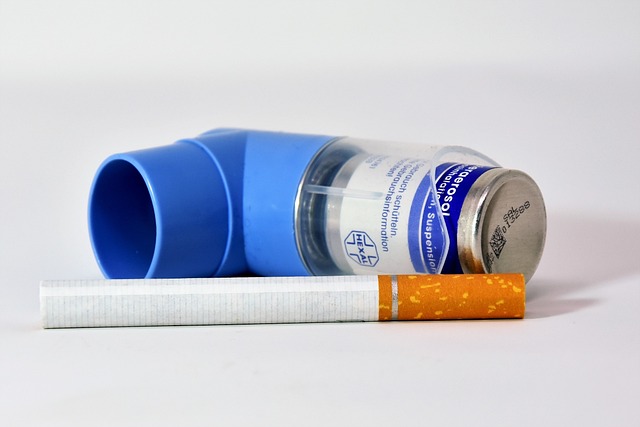
Use the inhaler the right way. Find a peaceful spot, and make sure to follow the instructions provided by the manufacturer. The only way the inhaler can help is if the medication can reach your lungs. While inhaling, spray the dosage in your mouth. Hold your breath for at least 10 seconds to allow the medicated mist to fill your lungs.
If you are suffering from asthma, stay away from any type of cigarette smoke. Never smoke a cigarette! Don’t breathe vapor or chemical fumes. This can aggravate your asthma and it might not stop. The minute you spot people smoking, immediately remove yourself from the area.
A dehumidifier is a beneficial investment for anyone with asthma. Dust mites are a major source of asthma attacks, and dehumidifiers are great at getting rid of the little buggers. Dehumidifiers reduce attacks in your home by making the air cleaner and drier.
Prevent Leukotrienes
To lower the chances of an asthma attack, keep your house as clean as can be, especially the bedroom. Food should only be eaten in the kitchen area, and whatever you do, please don’t smoke. Don’t use strong cleaners or bleach and air out the house immediately following cleaning.
Having a fast acting inhaler is vital to save asthmatics from experiencing severe symptoms. Talk to your physician and find out if a leukotriene inhibitor would be right for you. These inhibitors can prevent leukotrienes. Leukotrienes are molecules that cause the tracheal muscles to contract; having too many leukotrienes makes asthma attacks more likely. This inhibitor can prevent leukotrienes, which makes you less likely to have an asthma attack.
Know that your asthma treatment or medication may have to be increased a bit if you are suffering from allergies, hay fever or a cold. The effects of an illness can cause the severity of your asthma to temporarily increase, which necessitates a change in treatment. Your physician might also work an additional treatment into your therapy until such time as you are healthier.
Know how to use your inhaler correctly. Locate a quiet place, and follow the label to a tee. Proper use delivers the medication to your lungs. Inhale air while spraying the necessary amount of medication into your mouth. Make sure you hold your breath for 10 seconds or more to get the medications into your lungs.
Think about the benefits of joining an online or in-person support group. Asthma can be severe enough to keep you away from social activiites. Also, communicating with other people with asthma will keep you in the know about changes in how the condition is understood and treated.
Be sure you and your family members get a yearly flu vaccination. Asthma sufferers need to be careful and guard against any upper-resperatory illnesses. It is important to do things like hand washing and receiving proper vaccinations.
Your home can be full of the major triggers leading to an asthma attack. These causes are sources, such as, but not limited to dust, mold and spores. To keep your body healthy and to cut down the frequency of asthma attacks, it is important to have your house professionally inspected and cleaned to remove these harmful substances. On top of that, doing housecleaning regularly can prevent build up of these particles.
When suffering from asthma, make sure to choose products that are unscented. Use of scented products, such as perfume, air fresheners and incense, increase the levels of indoor air pollution and can trigger an attack. Fresh pain and new carpet also let off odors that are irritable to the airways. Aim to make the air inside your home allergen free, and as fresh and clean as possible.
Your home’s humidity can cause mold and mildew growth within it. Both mold and mildew are associated with asthma attacks. Therefore, it is important to make sure your home is dry. A dehumidifier can be used in the winter, and in the summer, many air conditioner models also help strip moisture from the air.
If someone in your home has asthma, make sure to keep a clean house, especially their bedroom so that the risk of an attack is reduced. Only permit food in designated eating areas, such as the kitchen or dining room, and don’t allow smoking inside the house at all. Air the house out thoroughly after cleaning and avoid the use of bleach and other harsh chemicals indoors.
Make sure you understand the correct way to use your asthma medication, especially any rescue medication. Asthma is a condition traditionally treated with a combination of a regular medicine and an emergency medicinal inhaler. Managing your medicine properly is important because asthma is a chronic health problem.
If your kid or you suffer from asthma, you should get a yearly flu shot. Get yearly vaccinations to keep these potential infections at bay.
Asthma takes a long time to develop and doesn’t yield obvious symptoms. There are lots of cases where people die of an asthma attack without knowing they had asthma. If you find yourself with a constant cough or have trouble breathing, consult your doctor, so he can tell you if you have asthma and if you need medication. He might even have suggestions on how to prevent it from worsening.
Don’t skip appointments for your checkups, even if you haven’t had any recent asthma attacks. Flare-ups can occur at any time; plus, your doctor may have a new medication that he or she can offer you that will make your treatment safer and more effective.
Keep track of the number of times per week you use your rescue inhaler. If you use it more than two times, your asthma might not be well-controlled or you may have unusual occurrences causing those frequent attacks. The frequency of your inhaler usage should remind you to monitor the environmental conditions around you and other issues relating to the way you manage your asthma.
Being informed as you now are, you are equipped to deal with asthma and abnormalities of the respiratory system. Asthma is not a terminal illness nor is it guaranteed to cause you suffering, so work hard on controlling it and enjoy your life!
Any time that pollen counts go up, anyone suffering from asthma would be wise to keep their outdoors time to a minimum. Although asthma is not an allergy, many of the same irritants that trouble allergy sufferers affect asthma sufferers too. Air quality readings are often available locally, and utilizing this information is key in minimizing exposure to harmful airborne irritants.