
Asthma is a difficult and serious condition to deal with and can limit you from enjoying life. This article lists such strategies.
If you are an asthma sufferer, you need to avoid smoking and exposure to fumes or vapors of any kind. Because of this, you should avoid any kind of tobacco smoke and take any job that you want to apply for into consideration; factories could expose you to a variety of smoke, vapors and dust.
A good tip that can help your child with asthmatic problems is to avoid smoking in any areas they frequent. Secondhand smoke is a cigarette. You should take care to also need to be sure that your child isn’t around those that choose to smoke.
It is vital that neither you, nor anyone else, smoke around a child with asthma. Secondhand smoke can actually cause asthma to appear. You also need to be sure that your child isn’t around those that choose to smoke.
It is important that you do your best to avoid cleaning chemicals if you are asthmatic. A lot chemicals in these items can trigger asthma attack or aggravate other symptoms. If you are responsible for cleaning your residence, you should safer, which are less likely to set off your asthma.
Certain prescription medications have the potential to cause asthma symptoms. Some NSAIDs and aspirins will do this for you. This can also be caused by beta blockers, like medications that are used in managing high blood pressure or heart problems. If you’ve been diagnosed as asthmatic and are taking medications unrelated to your asthma, be sure your doctor is aware of them.
There are medicines out there that may contribute to asthma symptoms. Some NSAIDs and aspirin might do this for you.
If you are suffering from a mild or moderate asthma attack, expel all the air from your lungs. Exhale hard and fast. Try to force the air out of your lungs! Take three short breaths, and then take a fourth, deeper breath to fill your lungs comfortably; then, breathe out with force again. This will make your breathing rhythmic and help you pay more attention to it. This is a good way to empty your lungs and let more air come in. This breathing technique may cause some coughing or sputum, but it can help regulate your breathing and reduce the attack.
If you have mild to moderate asthma attack, push as much air out of the lungs as possible. Breathe out hard and hard. Really force that air from your lungs! Inhale a series of three quick breaths, followed by a deeper one, and then force the air out again. This will force you to pay careful attention to your breaths. It will also help to get the air from your lungs so more can enter. You might cough or produce sputum, since your main objective is getting you to breathe normally again.
Dust will make you have an attack, so keep the air calm in dirty rooms. Otherwise, the dust will fly into the air and could give you an attack. On smog-free, low pollen days, open your windows to improve airflow in the house.
Make certain that you and your family get a flu vaccination yearly. This includes taking standard precautions against illness, such as washing your hands, as well as getting vaccinations that can keep you from getting sick.
Injections are available to people who suffer from asthma related to allergies, to help give them some long term relief. An antibody medicine known as omalizumab is very effective at countering asthma attacks related to allergies. Ask your allergist about it.
You may have to take more asthma treatments if you suffer from hay fever or a cold. Many illnesses will worsen your asthma symptoms bad enough to require more treatments than you need to have an increase in treatment. Your physician might also work an additional treatment into your therapy until you are well.
Be sure you and your family members get a yearly flu vaccination. If you have asthma, you can protect your health by taking all steps possible to avoid any type of cold, flu or other upper respiratory infection. Take standard precautions against any kind of illness, and start washing those hands and getting vaccinations that will protect you from getting very sick.
Stave off these infections immediately by getting vaccinated every year.
In the winter, prevent attacks by wearing shawls, mufflers and scarves that cover the nose and mouth. This helps warm the air prior to it entering your lungs. In multiple studies, breathing cold air is linked to increased asthma attacks. This link is especially pronounced in younger children.
Even if you have not had any recent breathing problems, never skip your regular asthma checkup.
If you need to travel with your asthma medication, particularly if you plan on bringing a nebulizer or other large equipment, it can be helpful to obtain a letter from your doctor explaining their use. If you’ve got written proof, it’ll save you a lot of hassle when you’re at a security check.
Asthma Treatment
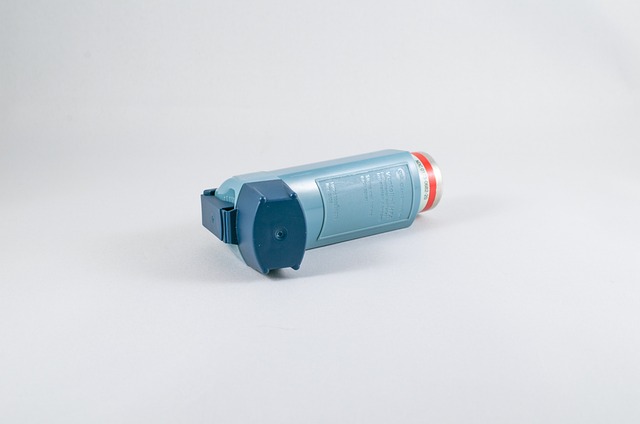
Inhalers are important to use every day, but be aware that inhalers have been known to cause infections near the teeth and gums. You can prevent any of these mouth issues by brushing your teeth and gargling mouthwash as soon as you use the inhaler.
Know how to properly use asthma medicine, in particular your rescue medication. Asthma treatment is generally two-pronged: Daily asthma treatment and additional emergency medicine which is supplemented with rescue medications like inhalers. Asthma is not curable, so it is imperative to take the management medicine as directed and only using the rescue inhaler when necessary.
Smoking is particularly bad for people with asthma. If you have asthma, you could have serious health complications from smoking. Smoke greatly irritates the sensitive lungs of the person with asthma, so in addition to not smoking, someone with asthma should avoid people that are smoking.
If you are going to be flying and are bringing your asthma medicine with you, take written prescriptions from your physician with you, be sure to bring along a written prescription from your doctor. Having proof that it belongs to you and is medically necessary item will make the security check easier.
When you suffer from an asthma attack, be sure to remain calm. Try taking inhaled medication to get your asthma back under control. Breathe the medication in as deeply as you can. Take two doses, timed 30 seconds apart, before determining whether the medication is working. If you do this and you notice that your attack is worsening then you need to get help. Go to the hospital. If the attack is particularly bad, have a friend take you or call 911. To calm yourself on the drive, bring a paper bag and breathe into it, as this will slow your breathing.
Avoid smoke to prevent asthma. Smoke and chemicals have been known to trigger asthma attack. Avoid smoke of any kind, chemical fumes, and cigarette smoke as much as you can. These can aggravate asthma symptoms. If you are being exposed to things that may irritate your asthma, you may want to ask them if they will smoke in another area.
Have your asthma situation checked out by a doctor every so often, so that you are not blindsided by changes in your condition. Your physician needs to have the opportunity to see what is happening with you, and alter your treatment plan if necessary. You should always keep your appointments so that your doctor can follow up on your treatment plans, and work with you to maintain your health.
If this procedure does not stop your attack, get immediate help. Get somebody to phone for EMS or even transport you to a hospital. Breathing into a paper bag on the way will help by slowing your breathing rate.
Asthma can be the result of genetics, environment or a combination of both. If someone in your family has asthma, pay extra attention to any asthma-like symptoms from yourself and your children. Many environmental factors like smoke, pollution, dust and mold spores are known to cause asthma; it is best to avoid these hazards when possible.
Knowing how to appropriately and safely use your inhaler is essential. You can’t just spray into your mouth and spray.
If you have two or more attacks in a week, it is probably time to change your medication. Most health professionals agree that having attacks more than twice a week is both dangerous and avoidable.
Your doctor needs to be able to evaluate your condition and make any changes as they see fit.You are responsible to schedule these appointments happen to stay healthy.
The following symptoms can signify a serious attack worthy of emergency room attention. If they’re having a serious attack, look for increased medication use that has little or absolutely no effect and blue or grayish lips and fingernails. Children in the midst of a serious asthma attack may have trouble communicating their condition.
If repainting a room is in your future, get a mask to protect yourself from the fumes. Paint can irritate your asthma a lot, but a mask can combat the irritation because it forms a shield between your nose and the environment. Avoid substances and chemicals that will worsen your asthma.
If you have an asthma emergency but you don’t have your inhaler on hand, try using caffeine as a substitute. Strong black tea, coffee and chocolate can help reduce attack symptoms. Caffeine constricts your blood vessels, which causes your airways to open.
Asthma can be the result of genetics, or it could be genetic. If you have a family history of asthma, it is important to monitor yourself as well as your children for asthma-like symptoms. Environmental factors such as pollution, smoke, pollution and smoke may cause asthma, so protect yourself and your kids from these hazards.
If a loved one or you has asthma, ban smoking in the car, home, or your direct vicinity. If you know someone who smokes, ask that they do so outdoors away from the asthmatic. In some cases just the smell of a heavy smoker’s clothing can cause an asthma attack.
The introduction lets you know that asthma can kill you if you don’t take the proper steps to bring it under control. Always carry an inhaler for emergencies and avoid allergens or excessive air pollution. Use what you’ve learned in this article to control your asthma, and stop it from keeping you from living life to it’s fullest!
Make sure you are aware of food allergies that your children might have. If after eating a particular food, your child exhibits breathing difficulties or breaks out in hives, talk to your child’s pediatrician about testing for allergies. These allergic reactions could be a precursor of asthma.