
One of the most unnerving aspects of asthma is the fact that the disorder affects the sufferer’s ability to breathe. Its onset can be instantaneous, and can even result in death. The information here can help make it clear what triggers asthma attacks, and it can provide you with ways to manage it and keep its effects limited.
What triggers your asthma? Learning about your type of asthma will help you manage its impact on your life. For example, if your asthma is brought on by bronchitis, you should keep your rescue inhaler with you during times when you are sick. If you know and understand your asthma triggers, you can better avoid and handle attacks.
Cleaning Products
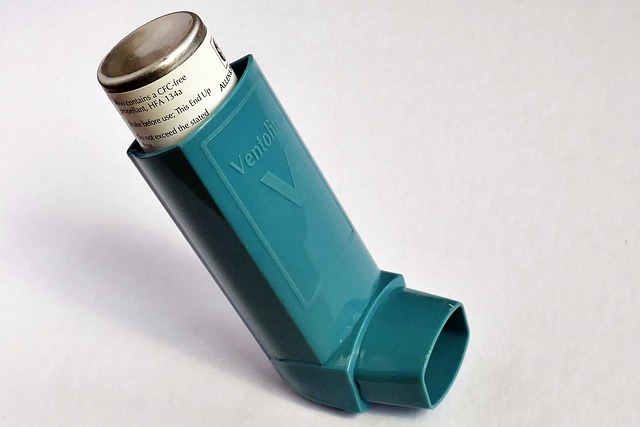
Asthma is a chronic respiratory disease that requires constant management. It is crucial that you have the proper medications for controlling asthma, as well as medication, such as a rescue inhaler to treat sudden attacks. Your physician and allergist are the ones to approach with any questions you have about this disease and its treatment.
Cleaning products can trigger an asthma attack, so try to keep your exposure to them to a minimum. Many of the harsh chemicals inside cleaning products might trigger symptoms or even a full blown asthma attack. There are many natural alternatives you can use to clean your home, instead of using harsh chemicals.
Ask everyone in your family to get a flu shot every year. Asthma sufferers need to be careful and guard against any upper-resperatory illnesses. Take standard precautions against any kind of illness, and start washing those hands and getting vaccinations that will protect you from getting very sick.
Know situations and conditions that cause asthma attacks for you, and stay away from them in the future as much as possible. For many, allergens like dust and pollen, can trigger their attacks. Others experience an attack from physical activities. Try to determine your asthma triggers, so you can avoid them and prevent attacks.
The use of multiple (more than four) household cleansers can cause an increase in asthma attacks. Organic cleaning products should be selected due to their lack of irritating chemicals.
If you find that you are in a dusty room, do not put on any type of fan. Dust blown around by fans can cause your asthma to rear up. A fan will just blow around dust without providing fresh air, so opening a window is a better option as it brings in fresh air and ventilation.
If you are an asthma patient, be sure to stay away from people who smoke, even if you are not a smoker yourself. Inhaled smoke from tobacco can drastically reduce lung function, increasing your chances of an asthma attack. This is especially true in closed-in areas.
When you are dealing with asthma, try getting a lekotriene inhibitor. These inhibitors can prevent leukotrienes. The inflammation caused by this substance can trigger the symptoms of asthma. If you get a leukotriene inhibitor, it can get rid of them in the air and help you with asthma symptoms.
People suffering from asthma should stick to unscented products. If you are using scented products like perfume, incense, or air fresheners you should up the level of air pollution in your home. Fresh pain and new carpet also let off odors that are irritable to the airways. Try to see that the air inside your home remains as fresh as possible.
If you have asthma, it might be helpful for you to buy a dehumidifier. Reducing the amount of humidity in your home reduces the number of dust mites, which in turn reduces the chances of your asthma flaring up. Dehumidifiers remove the humidity by drying out the air that flows through your house.
Keep your home dust-free and get rid of any carpet in your house to help prevent asthma attacks, especially in a bedroom. Only permit food in designated eating areas, such as the kitchen or dining room, and don’t allow smoking inside the house at all. When cleaning your home, try not to use products that contain harsh chemicals, such as bleach. You should also allow fresh air to thoroughly circulate throughout your home after you’re done cleaning it.
Avoid exposure to secondhand smoke because it is as dangerous to asthmatics as smoking a cigarette. When you breathe in smoke, especially in small spaces, it diminishes breathing ability, which greatly increases the probability of an asthma attack.
Make sure you know what triggers asthma attacks so you can either avoid those triggers or be prepared to manage your asthma symptoms. Most with asthma share common triggers, like pet dander, pollen or smoke. Avoid these things when you can to breathe easier.
You will need to keep your residence really clean, especially the bedroom where the asthma sufferer sleeps in order to help lessen the chances of an attack. Refrain from smoking inside the home, and keep edibles inside your kitchen. Let in plenty of fresh air if the weather permits, and avoid using harsh chemicals to bleach.
Asthmatic patients should avoid using feather pillows. Feather can decrease lung function and trigger asthma symptoms. Patients should also buy hypoallergenic bedding.
Your asthma medication may need to be adjusted if you become ill. The effects of an illness can cause the severity of your asthma to temporarily increase, which necessitates a change in treatment. Your physician might also add more treatments to your regimen until your asthma is under control again.
You must have regular asthma reviews, even if you are not having any problems. A flare-up can occur at any time, and your physician may have learned of a prescription medication that can treat your symptoms more safely and effectively.
Be certain you are aware of what triggers an asthma attack so you can avoid it, or at least be prepared to handle the symptoms. Generally, it is found that items such as smoke and pollen can trigger attacks in those that suffer with asthma. It is best to do all that is possible to avoid triggers that can cause attacks.
Do not allow mold or mildew to grow in your home, because they can be extremely dangerous for asthma sufferers. These can very easily cause an attack. A dry home will help you out a lot more. In the winter months, use a dehumidifier in order to get rid of moisture. Your air conditioner will keep it dry in the summer.
When you travel, your rescue medication should be with you all the time. Traveling causes extra strain on your already stressed body, which makes your body more susceptible to bothersome asthma triggers. While on the road, it is also hard to control the environment you are in, which also makes an attack more likely.
It is important to know the proper way to use asthma medication, especially the medication that is used in an emergency. Asthma is typically treated with a regular medication supplemented by rescue medicine, such as an inhaler. Asthma doesn’t go away, so it’s important to be vigilant about taking your daily medication and using your rescue inhaler when an attack occurs.
Asthma Attacks
Bed linens often trap allergens, dust, pollen and other things that can aggravate asthma. To reduce the chance that your bed linens will induce an asthma attack, wash your sheets every week in hot water. You will find that having fresh linens will make your breathing while sleeping much easier.
Some common catalysts of asthma attacks regularly occur in the home. Some triggers include spores, dust and mold. To stay healthy and reduce the chance of asthma attacks, you should have an inspector visit your house yearly to remove these harmful agents. Clean up your house regularly so these substances do not accumulate.
See a specialist. You may use your primary physician for most things, but a specialist can be very helpful as well. Asthma centers, pulmonologists, nutritionists and allergists can all work with you, making sure you are getting all the treatment you need.
Your home’s humidity can cause mold and mildew growth within it. Asthma attacks are easily triggered by these substances. So try your best to make your home as dry as possible. One way to control the humidity in the house is to employ a dehumidifier to pull out the excess moisture.
If you suffer from asthma or allergies, avoid using a vaporizer or humidifier unless it is consistently and thoroughly cleaned. The moist environment of a humidifier can become a breeding ground for bacteria, which can irritate allergies or trigger an asthma attack.
If traveling by plane with your asthma equipment or medications, always carry your written prescription with you to avoid problems. Having written proof that the item in question is in fact medically necessary can cut down on hassles at the security check.
Do all you can to educate yourself about asthma. Education is a priceless tool in finding the proper treatment for your asthma. Keep yourself up to date about new findings and find a good doctor. Make sure to explore new and different options to keep the symptoms of your condition under control.
When you clean house, it is recommended that you clean your floor with a wet mop instead of sweeping it. When you are sweeping with a broom, you stir up triggers like dirt and dust mites that can cause you to go into an asthma attack. Use a dampened rag when dusting, instead of a feather duster, so as to prevent stirring up loose dust particles and other asthma triggers.
Support groups or talking with others who have asthma, can help you learn to live with your asthma. Other sufferers can help you learn how to manage and live with your asthma, by offering tips and advice. Having support from other people in the same situation as you are is an amazing help to your treatment and state of mind.
If you are working to prevent asthma, it is best not to smoke. Smoke and chemicals have been known to trigger asthma attacks. The fumes from chemicals, or smoke from cigarettes, should be avoided at all costs. Exposure to these substances can worsen your asthma considerably. If you in the company of someone who smokes, politely ask him to refrain when you are near.
The cause of asthma can be hereditary or it can be induced by environmental factors. Sometimes both factors have a role in the disease. If anyone in your family suffers from asthma, beware of any symptoms that are suggestive of asthma in you or your children. Air pollutants like smoke and mold spores can trigger an asthma attack, so keep your home clean to avoid irritation.
You may want to consider having numerous doctors treat your asthma. Your family doctor or primary care physician can be the person you go to regularly for asthma symptoms, but also talk to a few specialists. Asthma centers, allergists, pulmonologists, and nutritionists can all help ensure you are attacking your asthma on all fronts.
Ease yourself into more difficult regiments by regulating your breathing. Make sure you are able to breathe in and out, and receive enough air to take on your current task. A more strenuous exercise program may irritate your airways and bring on an asthma attack so you will want to proceed with caution.
If the pollen count is rising, stay indoors when possible. Asthma itself may not be an allergy, many of the same things that affect allergy sufferers also affect those with asthma. Now that local air quality information is available in most areas, asthma sufferers can minimize their outdoor exposure when potential irritants are in the air.
Watch carefully for any signs of food allergies in your children. If they break out in hives or have breathing problems after ingesting certain foods, you need to have them tested for allergies by their doctor. You may develop asthma down the line if you have these allergies.
It can be fatal, too, if not controlled or treated. If you use this information you can help manage asthma and breathe more effectively.
If you have asthma, make sure to warm-up before strenuous exercise, and do cool-downs when you have finished working out. Doing both will help you avoid experiencing asthma symptoms while exercising or after exercising.