
Asthma can be a difficult condition to have to deal with. It can affect your ability to participate in even the most basic of activities, such as going for a short walk. Unfortunately, there is no actual cure for asthma, but there are indeed treatments. In this article, you will be given useful advice that will teach you how to manage asthma and its symptoms. You can reduce the effect it has on your life.
Are you informed about what type of asthma you suffer from? If you know as much as you can about the kind of asthma that you have, you can find out how to battle it day-by-day. One example of this is exercise-induced asthma. This type of asthmatic will need to carry his inhaler with him when he goes for a run. Knowing the patterns of your symptoms will help you avoid crises.
You should not smoke or be anywhere near smoke if you suffer from asthma. This does mean avoiding all tobacco products as well as being mindful of sources of employment, with special attention to factories that might provide exposure to smoke and vapors.
Avoid the things that trigger your asthma. For some, allergens such as dust and pollen can trigger an attack. Or, you may need to avoid certain activities that overexert your body. Figure out what sets off your asthma so you can avoid it.
Do you know the type of asthma that you suffer with? Gaining as much knowledge as you can about the type of asthma you have can make your day-to-day activities a little easier. An example would be to bring in your gym bag an inhaler if you happen to have exercise-induced asthma. Knowing when an asthma attack is likely to strike can help you avert disaster.
When suffering a mild or even moderate asthma attack, attempt to push all air from your lungs. Breathe out quick and forcefully. Really expel the air from your lungs! Then take three small breaths in, followed by a deeper breath to fill your lungs comfortably. Next, exhale forcefully again. Not only will you breathe in rhythm, but you’ll focus more intently on how you are breathing and become aware of breathing problems. It will also empty your lungs of air, so that they’re ready to take in new, fresh air. It may cause you to cough or even generate sputum, but that’s fine, you goal is for your breathing to get back to normal.
Cleaning Products
If you are suffering from asthma, stay away from any type of cigarette smoke. You should not smoke! Avoid vapors and chemical fumes from cigarettes. This can cause your asthma to flare up, causing an attack that may be uncontrollable. Do everything you can to avoid cigarette smoke, air pollution, allergens and harsh chemical fumes to keep your asthma symptoms under control.
If you suffer from asthma, you should avoid cleaning products that have strong odors. Many of the harsh chemicals inside cleaning products might trigger symptoms or even a full blown asthma attack. Use natural cleaners instead of chemical cleaners to reduce your chances of asthma attacks after cleaning.
If you are an asthma sufferer, be sure to get the recommended daily dose of Vitamins C and E. There is some evidence that these two vitamins can improve breathing and lower the frequency of asthma attacks. You can take a supplement in order to get these vitamins if there is not enough of them in your food. You can help out your immune system that can help stave off asthma triggers!
If you find yourself having a mild asthma attack, force the air from your lungs until they are empty. Breathe out fast and hard. Force your lungs to expel as much air as possible. Then, follow three short intakes of breath with one longer inhalation until your lungs are filled with air, although not uncomfortably so. Finally, expel the air from your lungs with force again. Doing this means breathing in a conscious rhythm that makes you mindful of your breathing. This is a good way to empty your lungs and let more air come in. You might start coughing, and some sputum may come up, but this is no problem and your focus is to get back into a relaxed, rythmic breathing pattern again.
You might want to purchase a dehumidifier to use at home if you have asthma. By decreasing the humidity you have in your home, it will decrease the dust mites, which will then decrease your asthma from flaring up. Try running a dehumidifier to dry up the air in your home.
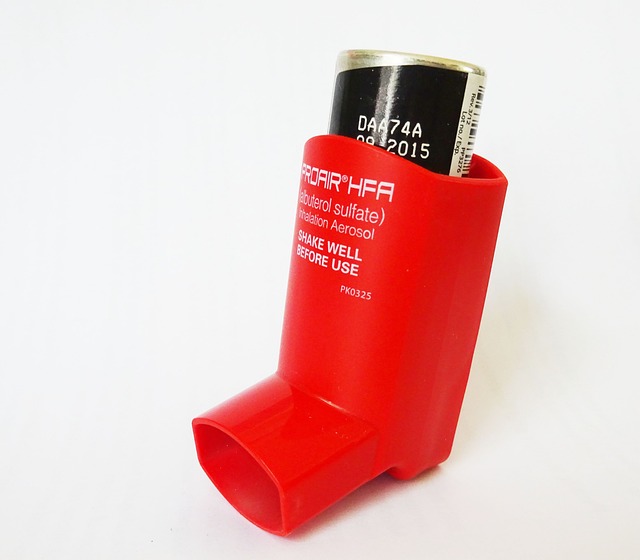
Use your inhaler as directed. Find a comfy spot, and follow the manufacturer’s instructions. The only way the inhaler will work is if your lungs get the proper amount of medication. Spray the stated dose of medicine into your mouth as you inhale. Don’t exhale for ten seconds so that the medicine can go through your lungs.
If you have asthma, or if your children have asthma, it is vital that you receive the flu shot yearly. This annual flu shot will prevent infectious damage to your lungs.
You should ensure that every family member in your household gets a flu vaccine yearly. If you suffer from asthma, it is best to avoid respiratory infections of any type as much as possible. Take standard precautions against any kind of illness, and start washing those hands and getting vaccinations that will protect you from getting very sick.
Avoid pillows stuffed with goosedown or other feathers if you have an asthma problem. Pillow feathers force the lungs to work harder and can exacerbate asthma problems. You should also look into hypoallergenic materials when buying sheets and a comforter.
Products with no scent are the safest and best option for an asthma sufferer. Products with fragrance, such as perfumes, colognes, and air fresheners, introduce irritants into the air around you and can cause asthma attacks. Freshly painted walls and brand-new carpet can also give off odors that cause irritation to airways. Keep your indoor air clean and free of pollutants to stay healthy.
You must have regular asthma reviews, even if you are not having any problems. A flare-up can occur at any time, and your physician may have learned of a prescription medication that can treat your symptoms more safely and effectively.
Keep your home free of dust and other triggers, especially where the person who suffers from asthma sleeps. Food should only be eaten in the kitchen area, and whatever you do, please don’t smoke. When cleaning your home, try not to use products that contain harsh chemicals, such as bleach. You should also allow fresh air to thoroughly circulate throughout your home after you’re done cleaning it.
The more humid your home is, the easier it is for mildew and mold to grow. They are a nuisance for people with asthma; the asthma attacks they trigger require you to eliminate them. Keeping a home dry and mold-free is important. One way to control the humidity in the house is to employ a dehumidifier to pull out the excess moisture.
Avoid pillows stuffed with goosedown or other feathers if you have an asthma problem. Pillow feathers force the lungs to work harder and can exacerbate asthma problems. This applies to bedding, as well. Purchase sheets and comforters that are made of hypoallergenic materials.
It is important to know the proper way to use asthma medication, especially the medication that is used in an emergency. Asthma treatment is generally two-pronged: Daily asthma treatment and additional emergency medicine to relieve attacks as they happen. Asthma doesn’t go away, so it’s important to be vigilant about taking your daily medication and using your rescue inhaler when an attack occurs.
Mold and mildew can grow in your home where there is humidity. Both mold and mildew are associated with asthma attacks. A dry home will help you out a lot more. During winter, use a device to dehumidify in the winter, and air condition in the summer.
Asthma generally develops over a period of time, and the symptoms are not always obvious. Some people have even died from having an asthma attack, and they didn’t even know they had asthma. If you find yourself with a constant cough or have trouble breathing, consult your doctor, so he can tell you if you have asthma and if you need medication. He might even have suggestions on how to prevent it from worsening.
Asthma develops gradually, and its symptoms may not be very noticeable. There are actually many people that have passed away from an asthma attack without ever knowing they were even at risk. If you have any trouble breathing or are coughing a lot, you need to see a doctor to determine what it is and if you need any medication or treatment for asthma prevention.
If you are going to be flying and are bringing your asthma medicine with you, take written prescriptions from your physician with you, especially if you will be taking large equipment like a nebulizer. Having written proof that the item in question is in fact medically necessary can cut down on hassles at the security check.
As was mentioned before in this article, asthma is a very severe medical condition and you should never take it lightly. Find out what symptoms may be specific to you, and begin learning how you can manage it every step of the way. Make sure to use the information from this article to help you make your symptoms better and to avoid asthma from commanding your life.
Make note of how often, on a weekly basis, you use your inhaler. It is possible that your asthma may be out of control or that there are extenuating circumstances that are exacerbating your condition. The frequency of your inhaler usage should remind you to monitor the environmental conditions around you and other issues relating to the way you manage your asthma.