
Are you a part of millions of asthma sufferers that struggle with the symptoms? The tips in this article will help you manage your asthma better.
If you suffer from asthma and you smoke, it’s crucial that you quit. Smoking is terrible for everyone, but it lowers the oxygen supply in asthma patients who need as much oxygen as possible.
If you suffer from asthma, don’t smoke, and avoid exposure to secondhand smoke. This means avoiding tobacco products, and making sure that you do not choose any kind of job that could expose you to harmful vapors or smoke, such as factory work.
Cleaning products can trigger an asthma attack, so try to keep your exposure to them to a minimum. A lot of agents in cleaners tend to trigger asthma attacks and symptoms. If you’re the one that cleans your home, try organic or natural cleaning solutions that are much less risky to your health.
Some asthmas are specific to certain triggers, so identify what kind you have. When you know in-depth information about your asthma, you can figure out how to fight against it. For example, if your asthma is often triggered by workouts, your inhaler should always be on hand when you exercise. Knowing the patterns of your symptoms will help you avoid crises.
Don’t turn on any fans if you see that your room is dusty. An asthma attack can be easily triggered by the moving dust. It is much better to open a window when you are in need of some air flow.
Cleaning Products
When struggling with asthma, consider using a leukotriene inhibitor. A leukotriene inhibitor works by preventing leukotrienes. Leukotrienes has a hand in causing swelling and inflammation in your lungs, and may trigger a asthma attack. The inhibitor can prevent them and decrease your asthma attacks.
It is important that you try to stay clear of cleaning products if you have asthma. The chemicals in many cleaning products will trigger asthma attacks or symptoms. When you are tidying your home consider using natural products that are effective for cleaning rather than traditional cleansers.
If you use any more than four kinds of cleaning product around your home, then the risk of an asthma attack is increased. To limit the chemicals in the air, look for organic cleaning alternatives.
There are some medications that may contribute to asthma symptoms. Examples of medications that may contribute to asthma are aspirin and other NSAIDs. Some medications for blood pressure and heart disease – those referred to as beta blockers – can also exacerbate asthma problems. If you’ve been diagnosed as asthmatic and are taking medications unrelated to your asthma, be sure your doctor is aware of them.
To minimize the chances of triggering a bout of asthma, keep your house extra clean, particularly rooms where asthma patients sleep. Don’t smoke indoors, or allow any junk food in your home. Bypass chemicals when cleaning your home if at all possible, and be sure to open doors and windows afterwards.
Be sure to avoid cigarette smoke if you have asthma. If you smoke, try quitting. Avoid exposure to chemical fumes or vapors. A severe asthma attack can be life threatening. If people smoke around you, you should get away form that area.
If you’re suffering from a cold or allergies, you should talk to your doctor about taking additional asthma medication. Many of these illnesses will worsen your asthma symptoms bad enough to require more treatments than you typically need. Your regular medication may also need to be combined with other treatments your doctor may recommend.
Leukotriene Inhibitor
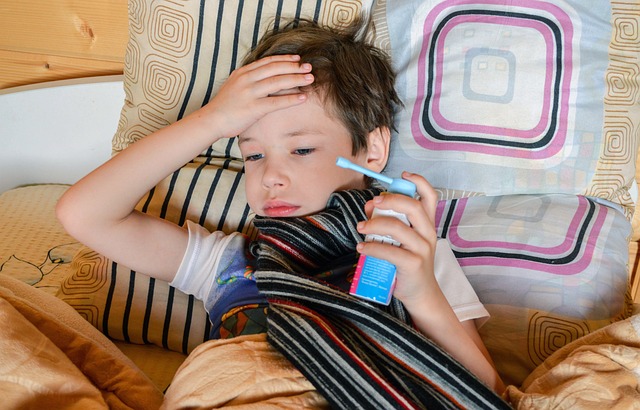
When you are traveling, make sure you have a rescue inhaler with you. You may find that the stress of traveling makes an asthma attack more likely. It’s also hard to control the environment you’re in when traveling, which is another reason you might experience more symptoms or have an attack.
A leukotriene inhibitor can be helpful if you have asthma. A leukotriene inhibitor helps to prevent leukotrienes. Leukotriene are chemicals that may cause your lungs to get inflamed which can lead to an asthma attack. The inhibitor will prevent leukotrienes, which can decrease the amount of asthma attacks that you have.
Some of asthma’s major triggers can be right in your home. These culprits include dust, spores and mold. To lessen the risk of an asthma attack and to stay healthy, have your house inspected every year by an inspector, and remove those agents when they have been identified. Clean up your house regularly so these substances do not accumulate.
Be sure to take plenty of Vitamins C and E if you have asthma. Both vitamins improve lung function, helping you to better resist asthma attacks and other negative symptoms. You are able to get these vitamins either from food or a supplement. These vitamins will also provide a boost to your immune system. This will prevent respiratory illnesses that can trigger your asthma attacks.
If you have asthma, don’t smoke. There is a general awareness that smoking is not good for your health. But for the asthmatic, smoking can quickly have serious consequences. Sensitive asthmatic lungs are easily irritated by smoke, so they need to avoid smoking and to avoid situations where there are people who smoke.
While everyone appreciates the look and feel of a clean house, asthma sufferers in particular benefit from a healthy environment as it can decrease the risk of asthma attacks, especially in a sleeping area. Only permit food in designated eating areas, such as the kitchen or dining room, and don’t allow smoking inside the house at all. Harsh chemicals, like bleach and ammonia, can trigger asthma.
Keep yourself as calm as possible when having an asthma attack. Use your inhaler, wait 30 seconds and use it again. If your attack worsens, get help. Get somebody to phone for EMS or even transport you themselves to the nearest emergency medical facility. Try breathing in a paper bag to slow your breathing on the way there.
If you or someone in your family has asthma, all family members need to get flu shots every year. Avoid a lot of these infections by getting vaccinated each year.
Learn as much as you can about asthma. Having the right information can enable you to choose the treatments that are right for you, and help reduce symptoms. Stay current with treatment technology and get yourself the best care that you can. The best thing you can do is educate yourself about asthma and its treatment.
If you are asthmatic, it may be a good idea to use a pillow that is not filled with feathers. The feathers can make it harder to breathe right and trigger an attack. This applies to bedding, as well, so it’s best to make sure that everything on your bed is hypoallergenic.
If you are going to be painting in your house, wear a mask, as it will protect you from harmful fumes. You can bother your asthma a lot by painting, if you use a mask it can help protect you. Avoid specific chemicals and substances that could worsen your asthma.
Make it a habit to always have some rescue medication available when you travel. Traveling can make you more likely to suffer from attacks due to the extra strain and stress on your body. Traveling can make asthma symptoms worse, and it is difficult, nearly impossible to control environmental triggers during travel.
In order to ward off asthma attacks, it is crucial that you pinpoint your triggers. Think about using a journal to write down the things that you think might be triggering an attack, and talk about your notes with your health care professional. After you identify substances that trigger your asthma symptoms, you can avoid those substances in your environment or ask your doctor whether there is a medication that will allow you to go into an environment with those triggers and remain free of asthma symptoms.
This article is filled with useful tips for you. The most important step is to take this advice and use it. Asthma symptoms can return if you neglect triggers and signs for even a small period of time. Ensure that you are always protected by committing yourself to the task of controlling your condition.
You can contract asthma through genetics or through environmental conditions. If a loved one in your household suffers from asthma, be mindful of any signs in others. Protect your children and yourself from the many common pollutants in the air, such as mold, dust and pollen to prevent or reduce asthma symptoms.