
Going through an asthma attack is a scary thing, and having to go through life with this condition is a heavy weight upon your shoulders. With the right education, dealing with asthma and having a good quality of life is possible. Keep reading to learn some specific strategies that can help you live a full life despite your asthma.
If you have any children who suffer from asthma, avoid smoking around them at all costs. Secondhand smoke can actually cause asthma to appear. You also need to be sure that your child isn’t around those that choose to smoke.
Do you know what sub-type of asthma you’re plagued with? Understanding the specifics of your asthma will help you to avoid attack triggers in your day-to-day life. People suffering from asthma that is exercise-induced, for example, had best be prepared for asthma attacks at the gym! Knowing your symptoms’ patterns can help you avoid big problems.
If you are having an asthma attack (mild or moderate), you need to try to force air out of the lungs. Blow your breath out as hard and fast as you can. This will force the air from your lungs. Take three short breaths, then one last deep breath to ensure your lungs have enough air, then forcefully breath out. This creates a rhythm to your breathing, making you pay attention to the breaths you take. It also voids your lungs of old air so that new air can enter. This may cause you to cough or it may cause phlegm, but your breathing will be back to normal again.
Never smoke around a child with asthma, or you could kill them! Secondhand smoke is one of the leading culprits that causes asthma. Any place where smoking is allowed should be avoided if you have a child with asthma.
If allergens are causing you to suffer from frequent asthma attacks that are moderate to severe, there is an injectable medication that can provide you with long-term relief. Omalizumab is an antibody medication that is used to control these allergic reaction symptoms and may be recommended by your allergist.
Asthma is a continuous disease that needs ongoing management. Your doctor may prescribe medications that must be taken daily. In addition, you will likely have medication to take in the event of an attack. Discuss treatment strategies with both your primary care physician and your allergist.
If you suffer from asthma, make sure that you consume enough Vitamin C and Vitamin E. These vitamins aid in improving the function of the lungs and controlling the symptoms of asthma. You can take a supplement in order to get these vitamins if there is not enough of them in your food. These vitamins can boost immune systems, which helps you to avoid illnesses that can be a trigger for your asthma.
If you are suffering from a mild or moderate asthma attack, expel all the air from your lungs. Breath out as hard and fast as you can. Exhale with maximum force! Inhale a series of three quick breaths, followed by a deeper one, before exhaling with force again. This technique develops a breathing rhythm, allowing you to notice the breaths that you take in. This technique also forces the air from your lungs to enable more air to come in. If you cough up mucus, don’t worry – just get the breathing back to normal.
Asthma attacks have been found to be more likely in homes where four or more different cleaning products are in use. Organic cleaners are also a safer choice since they contain fewer chemical irritants.
Asthma Attacks
Make sure to examine what it is that causes your asthma attacks in order to best avoid having to deal with them. There are some quite common triggers that can invoke an attack in asthma sufferers, for example cigarette smoke, pollen, or pet hair and dander. When it is possible avoid substances that make you have symptoms or attacks.
Leukotriene inhibitors can help control the symptoms of asthma. These inhibitors can prevent leukotrienes. The chemical leukotriene is a common cause of inflammation in the lungs which in turn, can trigger asthma attacks. The inhibitor will prevent leukotrienes, which can decrease the amount of asthma attacks that you have.
There are support groups available to you, both in person or on the Internet. Asthma, particularly if it is severe, can incapacitate you and keep you from going about your daily activities. As science marches on, new medications and treatments for asthma become available, and you can keep abreast of this progress through a good support group.
A dehumidifier is a beneficial investment for anyone with asthma. Lowering humidity will reduce the amount of dust mites in your home, and help your asthma improve. A dehumidifier makes the air in your home dry by keeping humidity to a minimum.
Humidity in your home causes an environment where mildew and mold are more likely to grow. This stuff can easily set off an asthma attack. To halt the growth of mold and mildew keep your home’s humidity low. During the cold, winter months, a dehumidifier can help. In the summer, an air conditioner naturally takes out a lot of the humidity in the air.
Using four or more cleaners in your home can contribute to asthma attacks. Choose organic products, and stick to as few products as possible.
If you are taking an airplane and you need to travel with your asthma apparatus or medications, bring your written prescription with you. If you have the proof that this is a medical necessity, it can cause less hassles during the security check.
People suffering from asthma should stick to unscented products. Use of scented products, such as perfume, air fresheners and incense, increase the levels of indoor air pollution and can trigger an attack. Fresh paint and new carpeting also give off odors that may aggravate the airways. Aim to keep the air as fresh as possible indoors.
Using a preventative inhaler is important, but you need to know the side effects it can cause such as mouth infections. You can prevent this by brushing your teeth and gargling immediately following the use of your inhaler.
If you have asthma, you should get a flu shot once per year. Make sure your child’s vaccinations are up-to-date to avoid as many infections as possible.
When housecleaning, it is better to clean your floors with a damp mop than sweeping them with a broom. If you choose to sweep, you’re swirling up a tornado of dust and allergens, both of which are common triggers for asthma symptoms. Dusting with a damp cloth rather than a feather duster can be a considerable help in reducing the amount of dust and other things that might start an attack.
Your home can be full of the major triggers leading to an asthma attack. Some triggers include spores, dust and mold. To keep your body healthy and to cut down the frequency of asthma attacks, it is important to have your house professionally inspected and cleaned to remove these harmful substances. Clean up your house regularly so these substances do not accumulate.
Asthma sufferers should avoid close contact with all animals. Animals carry pollen and dust with them and can trigger serious asthma attacks.
If the air in your home is humid, it provides an ideal incubator for mold or mildew. Both mold and mildew are associated with asthma attacks. Thus, keep the air in your home as moisture-free as possible to avoid asthma-related problems. When it’s cold, a dehumidifier can keep moisture to a minimum; in hot months, your A/C unit will do the same thing.
Your bed linens are where pollen, dust and other allergens like to collect. If you put your pillowcases and sheets in hot water weekly, these inducers will be reduced or completely eliminated. You will find that having fresh linens will make your breathing while sleeping much easier.
During cold, winter months, asthma sufferers should wear a shawl, muffler, or scarf that will cover both their nose and mouth. This will warm the air up before you breathe it into your lungs. Breathing in cold air tends to start asthma attacks, especially with younger children that have severe or moderate asthma.
Consult with more than one physician. The first place to consider visiting is your main doctor, but they might also be able to recommend a specialist. Think about going to a pulmonologist, an allergist or even a nutritionist, depending on what is triggering your attacks.
Rescue Medication
During times that pollen counts are high, asthma sufferers should try to stay indoors. While asthma isn’t a type of allergy, those with asthma are frequently bothered by the same kinds of irritants that cause problems for allergy sufferers. The air quality information should be used to find out when it is better to stay indoors to avoid irritants present in the air.
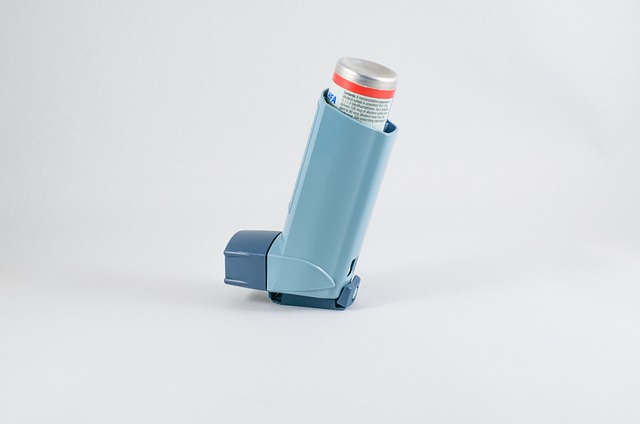
Know how to properly use asthma medicine, especially your rescue medication. Asthma is a condition traditionally treated with a combination of a regular medicine and an emergency medicinal inhaler. It’s crucial that medication for management of asthma is taken regularly, and that rescue medication is also used when appropriate.
To improve your asthmatic condition, use a clean humidifier or vaporizer while you sleep. Bacteria can breed inside of the machine due to the moisture, which can exaggerate your allergies or asthma.
Keep notes on how often you are compelled to use your inhaler each week. If you find that you are relying on it more than two times a week, your asthma is possibly not being well-controlled. The frequency of your inhaler use is a good way to remember to check out your environmental surroundings and be mindful of all factors relating to your asthma regimen.
If asthma does strike, don’t lose your cool. You should use your inhaler immediately upon the first signs of an attack. Once you have used it, use it again 30 seconds later. If you do this and you notice that your attack is worsening then you need to get help. Have someone take you to a hospital, or if necessary call an ambulance. While heading to the hospital, breathe into a paper bag; it will slow your breathing rate and help reduce the attack.
If you suffer from asthma, you need to learn how to cope with it. Once you learn how to treat asthma it will not be such a heavy burden to you. Luckily, we have gained some knowledge about asthma. The advice in this article will help you to have a better life.
Educate yourself to the maximum regarding asthma. The more educated you are about your asthma, the more proactive you can be about your treatment. Stay current with treatment technology and get yourself the best care that you can. The best possible way to really understand your condition and treatment options is to educate yourself.