
Asthma is no joke. It can kill you if it is left untreated. Learning all that you can about your asthma triggers, and daily ways to control your condition, you can avoid more dangerous attacks. This below article is the perfect launching platform for those who desire to learn about asthma and all the different ways it can affect you.
Keep away from any and everything that you know triggers your asthma attacks. This is different for everyone, but some people, things like dust or pollen can trigger an attack. It could also be some type of strenuous exercise. Try to see what cause your asthma so that you can avoid it.
It is imperative that you do your best to avoid cleaning chemicals if you are asthmatic. The complex list of ingredients on many cleaning products makes it difficult know which ones have the chemical compounds that might aggravate asthma symptoms or even initiate an attack. If you do the cleaning in your house, use natural solutions that are safer for you to breath in.
There are some common medications that you could be using that will cause asthma symptoms. Some NSAIDs and aspirin might do this. There are some beta blockers that are given to those trying to control their heart disease or who have high blood pressure that may be harmful to an asthmatic, as well. It is important for your doctor to know your complete medical history, including any medications you are currently taking, so they can best treat your asthma.
Asthma is a chronic disease that requires ongoing, consistent management and care. Be sure you are practicing proper self-care, and make sure you have your inhaler ready to go in case you suffer a full-blown attack. See your doctor or allergist to find out which treatment plan is best for your situation.
Asthma is a chronic condition, requiring constant health management. Always be very sure that you’re taking the right type of medication for your condition if you hope to control it. It’s also important to have a quick-relief medication available. To find which treatment options are the best for you and your condition, make sure you speak with a doctor and allergist.
If you have mild to moderate asthma attack, breathe out forcefully to get every bit of air out from your lungs. Force air out of your lungs with quick, powerful exhalations. Forcefully push the air out from your lungs. Then take three small breaths in, followed by a deeper breath to fill your lungs comfortably. Next, exhale forcefully again. This gives your breathing a rhythm, which makes you aware of how many breaths you take. This technique also forces the air from your lungs to enable more air to come in. It is okay that you cough up some sputum, you really want to breathe right again.
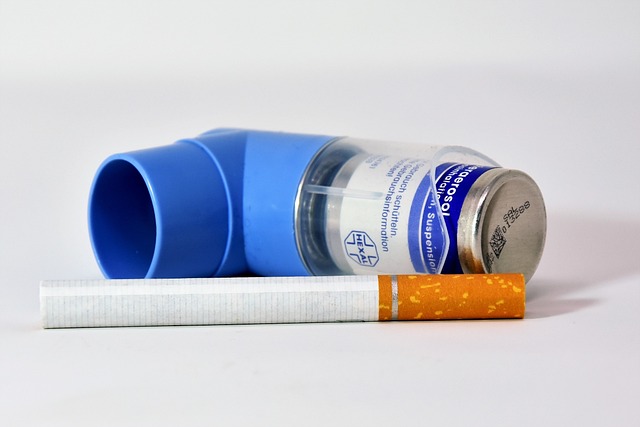
Cigarette smoke and asthma do not mix. Do not smoke! Avoid breathing chemical fumes and vapors. This can aggravate your asthma and it might not stop. You should give up on the smokes if you have asthma and also make sure to avoid other people who are smoking.
If the room you are in appears to be dusty, refrain from turning on any fans. While it may seem smart to get the air circulating, in reality this will only stir up the dust, making it easier to inhale and trigger an attack. It’s better to open the window if you’re in need of fresh air.
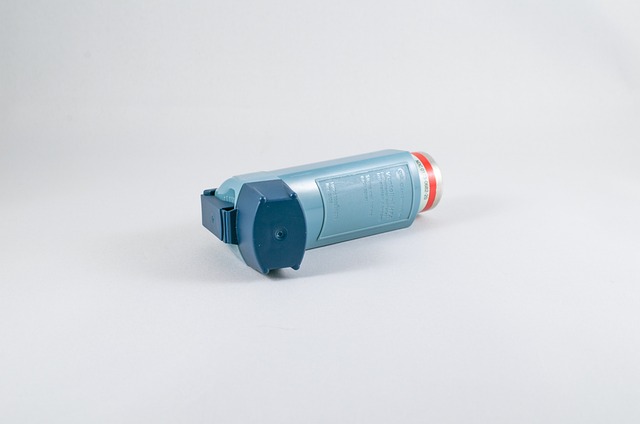
Proper knowledge of how to use your inhaler is necessary if you have asthma. Get to a place out of the way, and read the directions before starting. The inhaler is only useful if the medication within it actually gets to your lungs. While inhaling air, spray required dosage in your mouth. Be sure to hold the mist in your lungs for about ten seconds.
Using four or more cleaners in your home can contribute to asthma attacks. To limit the chemicals in the air, look for organic cleaning alternatives.
Figure out your asthma triggers. Once you know what they are, you can change your lifestyle to prevent asthma attacks. If you can’t avoid a trigger, you can pack your inhaler, take allergy pills or engage in other preventive measures so you don’t have an attack. A lot of asthma sufferers have some triggers in common, like pollen, smoke and pet dander. Avoid your asthma triggers as much as you can to prevent attacks.
You should be ready to increase asthma treatments if you suffer from hay fever or a cold. These kinds of illness can inflame you asthma to a degree that a treatment increase is necessary. Your physician might also add more treatments to your regimen until your asthma is under control again.
Sleep with a feather-less pillow if you have asthma. The feathers can make asthma worse and take away from your ability to breathe. The same goes for bedding – try to buy a comforter and sheets that are made from hypoallergenic materials.
Receiving a regular flu shot is a great tip to implement if you or someone you love suffers from asthma. Get yearly vaccinations to keep these potential infections at bay.
If the air in your home is humid, it provides an ideal incubator for mold or mildew. These can very easily cause an attack. Try, then, to ensure your home is dry. One way to control the humidity in the house is to employ a dehumidifier to pull out the excess moisture.
If you are dealing with asthma, a good idea is to use a pillow without feathers. Feathers can decrease lung function and cause asthma symptoms. Patients should also buy hypoallergenic bedding.
Bundle up during winter weather if you have asthma. Covering your nose and mouth with a scarf or muffler helps prevent asthma attacks. This lets the air warm slightly before you breathe it in. Breathing in cold air tends to start asthma attacks, especially with younger children that have severe or moderate asthma.
Don’t skip appointments for your checkups, even if you haven’t had any recent asthma attacks. Flare-ups can occur at any time; plus, your doctor may have a new medication that he or she can offer you that will make your treatment safer and more effective.
The development of asthma symptoms can occur over time and they can be difficult to pinpoint and diagnose. In some serious cases, people have dropped dead due to an asthma attack without ever knowing they had asthma in the first place. Discuss with your doctor if you are having problems trying to catch your breath or have had a persistent cough for a while. There is the possibility that you have developed asthma, and if so, your doctor can tell you what the best method to treat it would be.
In the winter, prevent attacks by wearing shawls, mufflers and scarves that cover the nose and mouth. This will warm the air before it gets in your lungs. Studies have consistently shown that cold air can cause your throat and lungs to constrict, triggering asthma attacks. Children are especially susceptible to cold-induced asthma.
When you are cleaning your home, it is always better to use a wet mop rather than sweeping your floors. Vacuuming or wet-mopping are better than sweeping because they don’t stir up dust and debris that might induce an asthma attack. When you need to dust, do so with a damp rag instead of a feather duster so that you reduce spreading around anything that will trigger your asthma.
Know exactly how any asthma medication you take or may take works. A treatment made up of a daily medication plus a rescue inhaler can help to keep asthma under control. Since asthma is chronic in nature, appropriate application and use of both management and rescue medicines is vital.
When you are making an effort to control asthma, do not smoke. Cigarette smoke will often trigger an asthma attack. Avoid any kind of chemical fumes, vapors, and tobacco smoke as much as you can. The more you are exposed to fumes, vapors and smoke, the more likely you are to have an asthma attack. If someone is smoking near you, either ask them to stop or remove yourself from the situation.
Try to avoid the seasonal pollen that may trigger an asthma attack. While asthma is different than allergies, often the same types of things that bother those with allergies trigger irritation in asthmatics as well. You can get the information about air quality in the area you are in; people who suffer from asthma should stay indoors if their air quality is low.
Avoid smoking. Pretty much everyone is aware that smoking is dangerous, but for people suffering with asthma, it can have devastating effects. Your lungs could become very irritated if you smoke, and you should avoid being around others that are smoking.
Make sure you keep calm if you are having an asthma attack. Immediately use your asthma inhaler, rest for 30 seconds, then use it once more. Don’t suffer in silence or wait it out if your breathing gets worse instead of better after using your inhaler. You need immediate medical attention if this happens. If there is someone nearby, have them call an ambulance or drive you to the nearest hospital. You can slow your breathing by placing a paper bag over your mouth and nose to slow your breathing until you get medical attention.
Sufferers from asthma should stay indoors when the pollen count rises. Asthma symptoms are not the same as allergic reactions, but allergies and asthma attacks have many common triggers. Now there’s information on local air quality available so you can monitor whether you’re going to be exposed to hard to breath air.
Always consult with your primary care physician if your symptoms worsen. You should use these tips whenever you can to reduce symptoms, and improve your life.
If you are suffering from an asthma attack, try to remain calm and do not panic. Use your inhaler, wait 30 seconds and use it again. If this does not lessen the attack, get help quickly. Have someone call emergency services or drive you to the nearest hospital. On your way to the hospital, breath in and out in a paper bag in order to help calm yourself and get your breathing down to a normal pace.