
This information guide was created to help the millions of people who live with asthma every day – like you! A handful of the most helpful hints and tips have been selected for this article to enable you to lead more fulfilling life.
Always be very mindful of the type of medications you’re taking. Some meds out there might just trigger an asthma attack. Various NSAIDs and aspirin have been reported to do this. Some medications for blood pressure and heart disease – those referred to as beta blockers – can also exacerbate asthma problems. Make sure you consult with your doctor concerning your asthma and possible drug reactions.
You should avoid smoking at all costs and being exposed to vapors and perfumes if you suffer from asthma. This includes all tobacco products, and you also need to be careful if you are going to apply for a job in a factory or where you have the potential to be exposed to vapors and harmful smoke.
Asthma is a disease that is ongoing and must be attended to every day. Be sure to take the correct medicines to keep your daily asthma symptoms under control, and always have emergency medication available in case an attack occurs. Find out from your allergist and your doctor what is best for you.
If asthma is something that you are afflicted with, then don’t smoke or immediately quit. Although smoking causes health problems for everyone, it is even more dangerous to asthma sufferers because the smoke causes airway swelling that cuts off oxygen to your lungs, and can trigger an attack.
When you suffer a medium-intensity attack, try and forcefully exhale all air from your lungs. Exhale quickly and forcefully. Force your lungs to expel as much air as possible. Take three breaths in succession. These breaths don’t have to be deep, just breathe a little. Then take a deep breath, pulling as much air as possible into your lungs. When your lungs are as full as you can stand, force the air out. Breathing in this rhythmic manner helps you to concentrate on the breaths you’re taking. It also helps to push air out from your lungs so new air can come back in. You might cough or produce sputum, but that is fine; you are trying to get breathing under control again.
There are certain medications that cause or exacerbate asthma symptoms. Not everyone knows this. Aspirin along with other NSAIDs can have this effect. There are some beta blockers that are given to those trying to control their heart disease or who have high blood pressure that may be harmful to an asthmatic, as well. If you have asthma and these other conditions, let your physician know.
Anyone suffering from asthma or asthma-like symptoms needs to stay clear of cigarette smoke, whether you smoke yourself, or even if you’re breathing secondhand smoke. This cannot be emphasized enough: Stay away from cigarette smoke! Stay away from vapors and all chemical fumes so you are not able to breathe them in. Chemical fumes will trigger asthma attacks that you won’t be able to put an end to. If others are smoking nearby, leave that area as quickly as you can.
When you suffer a medium-intensity attack, try and forcefully exhale all air from your lungs. Breathe out aggressively, as hard as you can. You have to force the air out. After that, take in three shallow breaths and one deep breath. Once your lungs are full again, do another forceful exhale. Doing this means breathing in a conscious rhythm that makes you mindful of your breathing. It also will push all of your air out of the lungs so that you can get more air in. Regardless of whether spetum is generated, it will aid in returning breathing back to a normal state.
You should ensure that every family member in your household gets a flu vaccine yearly. If you have asthma, try to avoid getting respiratory infections if you can. You can start by taking simple precautions, such as washing your hands and getting proper vaccinations when due.
If you suffer from asthma and allergies that result in attacks, you can get injections of long-lasting medication for relief. An antibody medicine known as omalizumab is very effective at countering asthma attacks related to allergies. Ask your allergist about it.
Receiving a flu shot annually is very important if you or a loved one are asthmatic. Prevent those flu infections before they happen by getting a flu shot each year.
Leukotriene Inhibitor
Figure out your asthma triggers. Once you know what they are, you can change your lifestyle to prevent asthma attacks. If you can’t avoid a trigger, you can pack your inhaler, take allergy pills or engage in other preventive measures so you don’t have an attack. If you have asthma, it’s most likely triggered by things such as being around animals or pollen. Most asthmatics also can’t tolerate smoke. Whenever you can, avoid the things that trigger your asthma.
If you are having trouble dealing with asthma, a leukotriene inhibitor might be of good use. A leukotriene inhibitor works by preventing leukotrienes. Inhibiting this chemical can lead to a decrease in asthma symptoms. The inhibitor can prevent them and decrease your asthma attacks.
Sleep with a feather-less pillow if you have asthma. Feathers can trigger asthma symptoms and reduce lung function. Also, make sure your other bedding is made with hypoallergenic materials.
Asthma sufferers should take Vitamins E and C. These vitamins can help improve your lung function, ultimately controlling asthma. You can get both of these vitamins from eating certain foods, or by taking the vitamins in supplement form. These vitamins will also provide a boost to your immune system. This will prevent respiratory illnesses that can trigger your asthma attacks.
When you travel, your rescue medication should be with you all the time. Traveling can make you more likely to suffer from attacks due to the extra strain and stress on your body. You can’t control the weather or the environment when you travel, so keep in mind you are more vulnerable to symptoms and attacks when you go to a new area.
If you have asthma, a dehumidifier is something you should consider purchasing for you home. A dehumidifier will reduce attacks by taking extra humidity and, by extension, dust mites and other debris out of your air. A dehumidifying device reduces the moisture in the air.
Look for a support group, such as an online community or a local group. Asthma can be severe enough to keep you away from social activiites. The individuals in this group could also provide you with new insights about medications that are out there, as well as other advice in dealing with asthma.
Keep your home clean. By keeping a clean environment, especially in a bedroom, you can lower your risk of asthma attacks. Keep food consumption to the kitchen and the dining room, and never allow anyone to smoke in the house. Try to avoid using any harsh chemicals or bleach in the home while cleaning; and, once the home is cleaned, air it out.
A lot of the main causes, and triggers, of asthma may exist right in your home. These triggers inside the home are usually spores, mold and dust. To ensure health and reduce the potential for asthma attacks, have a yearly inspection for the presence and removal of these hazards. Cleaning your house on a regular basis is one way to keep these substances from accumulating.
If your kid or you suffer from asthma, you should get a yearly flu shot. Therefore, it is very important to avoid as many infections to the lungs as possible by getting a vaccine each year.
When you clean your floors, do so with a wet mop instead of a broom. Sweeping sends dust and dander back into the air and could trigger an asthma attack. Use damp rags instead of a dry feather duster so triggers won’t be filling the air.
Don’t miss your appointment for an asthma checkup simply because you aren’t currently having any problems with your condition. Flare-ups can occur at any time; plus, your doctor may have a new medication that he or she can offer you that will make your treatment safer and more effective.
You want to make certain you visit more than just one doctor. While your asthma treatment should start with your primary care doctor, visiting one or two asthma specialists can make a real difference in how well you understand and manage your condition. Nutritionists, allergists, and pulmonologists are just some of the advisers who can change your life for the better.
Harmful Substances
Avoid smoking. There is a general awareness that smoking is not good for your health. But for the asthmatic, smoking can quickly have serious consequences. The lungs of someone with asthma are irritated by smoking, whether by that person or someone nearby.
Some of the main triggers of asthma attacks happen right inside the home. These generally include dust, mold and spores. To keep your body healthy and to cut down the frequency of asthma attacks, it is important to have your house professionally inspected and cleaned to remove these harmful substances. You can help keep your house safe from these harmful substances by regularly cleaning and dusting your home.
If you have asthma and allergies, don’t use a vaporizer or humidifier if it has not been completely cleaned. Bacteria can grow inside the machine because of the moist environment, and you will be releasing that right into the air if you are using it.
The more humid your home is, the easier it is for mildew and mold to grow. Both mold and mildew are associated with asthma attacks. A dry home will help you out a lot more. When you are heating your home during the winter months, a dehumidifier can be used to control the humidity. In the summer, use an air conditioner to maintain dry air.
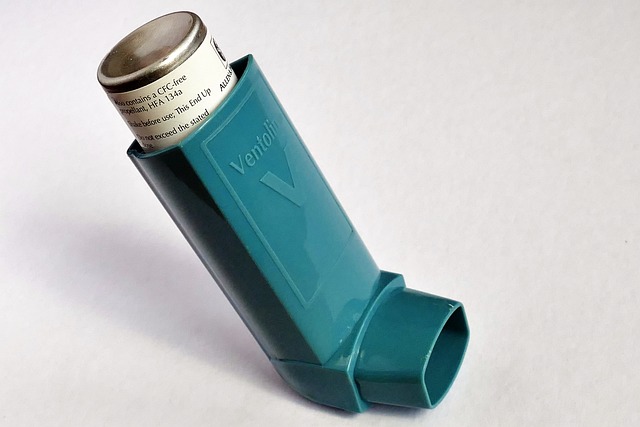
If you’ve been diagnosed with asthma, it is crucial that you understand how to properly use your inhaler. In order for the inhaler to work, you must carefully follow the directions. You must simultaneously inhale and spray the inhaler, then hold your breath for several seconds. If you have asthma, there’s no way around it: you need to get familiar with the right method of using your inhaler.
Instead of sweeping your floors, clean them with a damp mop. If you choose to sweep, you’re swirling up a tornado of dust and allergens, both of which are common triggers for asthma symptoms. A moist rag chosen over a feather duster is the best choice for an asthmatic.
You will get a lot of support for your asthma if you join a group or just by talking with other people who have asthma. Understanding what other people do to control and manage their asthma can be helpful in treating your own asthma. Support from other people is so important.
This information can offer you ways to manage your asthma productively and regain your full lifestyle back. Using this knowledge, you can return to being active and returning to the things you’ve missed.
One thing that you must do is figure out what triggers your asthma attacks. Keeping a journal will help you and your doctor develop a plan to combat some of the triggers. Once identified, do everything you can to avoid triggers and eliminate them from your environment whenever possible.