
Asthma creates a serious health condition for people in every age group, from children to seniors. On top of appropriate medical advice and frequent doctor visits, you must remain aware of warning signs and things that could trigger attacks. This article will share some very easy suggestions that can help you improve your symptoms from day to day and lower the likelihood of any sudden asthma attacks.
If you are an asthma patient, do not expose yourself to vapors, fumes and cigarette smoke. You must abstain from using any tobacco products. Also, when job hunting, you need to take into consideration whether or not you will be exposed to anything detrimental to your condition while on the job.
There are some medications that may contribute to asthma symptoms. Some NSAIDs and aspirin might do this. Beta blockers that are used to treat high blood pressure and heart disease can develop asthma like symptoms. It is important to talk openly with your doctor about your asthma so that you do not take any medications that could be harmful to you.
If you are afficted with asthma, it is critical to quit smoking and avoid the use of any other tobacco products. Smoking is unhealthy for anyone, but it is especially dangerous for someone with asthma. This is because your lungs and airway are already compromised by your condition.
Never use a fan in a dirty, dust-filled room. This can move the dust around and can trigger an attack easily. It could be better to open the window if you need to get airflow.
Certain prescription medications have the potential to cause asthma symptoms. NSAIDs and aspirin are known for their ability to cause symptoms. Other medications that may have an effect on the respiratory system include beta blockers used to treat high blood pressure. It is important to talk openly with your doctor about your asthma so that you do not take any medications that could be harmful to you.
If you suffer from asthma, be sure your diet includes lots of Vitamins C and E. These vitamins have been known to improve the function of the lungs and reduce some asthma symptoms. It is possible to acquire the necessary amounts by eating foods or by taking dietary supplements. Your immune system gets a boost with these vitamins, and this helps protect your body against illnesses and asthma.
Asthma is ongoing. Therefore, it also requires continual management of your health. Make sure to take the right medication for controlling everyday asthma symptoms, but also have quick relief medication with you in case of an attack. Discuss treatment strategies with both your primary care physician and your allergist.
IF you have asthma, you should consider buying a dehumidifier. When you use a dehumidifier, it will reduce the amount of dust mites. This will reduce asthma attacks. Try running a dehumidifier to dry up the air in your home.
Always choose unscented products for your home if you have asthma. Scented products should be avoided, such as air fresheners, perfume, and incense. These can increase the amount of air pollution in the home and even trigger an attack. Fresh paint and new carpeting give off odors that can irritate sensitive airways. As much as possible, try to keep your home filled with fresh, pure air.
An increased propensity for asthma attacks has been linked with the utilization of multiple cleaning products. The more you use, the greater the risk of an attack. Organic products are preferable to more chemically loaded, commercially produced cleaning products.
Your asthma medication may need to be adjusted if you become ill. Adjusting your medication may be necessary to manage the symptoms of these and other illnesses. It is also possible that your physician will add an additional treatment to your routine until you recover from your illness.
Asthma Symptoms
Even if you are feeling great, never skip your regular asthma checkup. Asthma can flare-up at any time, and you never know, perhaps your doctor has safer or better medications which can help your symptoms.
Hay fever and colds can worsen asthma symptoms so prepare to need increased treatments. Illnesses like this can often worsen your asthma symptoms, which may require that you up your dosage of certain medications. Your doctor may also add another treatment to your regimen until your illness gets better.
A handful of primary initiators of asthma, and its attack triggers, lie right in your residence. These triggers inside the home are usually spores, mold and dust. If you want to prevent and manage these sources of asthma attacks, have regular home inspections by a professional, and get identified harming agents cleaned out. It also helps to clean your home frequently to prevent a buildup of these allergens.
Make sure you get a flu shot each year if you have asthma or if your child does. Avoid a lot of these infections by getting vaccinated each year.
Mold and mildew can grow in your home where there is humidity. You can get asthma attacks because of these substances. Thus, keep the air in your home as moisture-free as possible to avoid asthma-related problems. During the cold, winter months, a dehumidifier can help. In the summer, an air conditioner naturally takes out a lot of the humidity in the air.
If you suffer from asthma, you should refrain from sleeping on a pillow that contains feathers. The feathers contained in the pillow could trigger the symptoms related to asthma and it could prevent your lungs from functioning efficiently. The same reasoning applies to all bedding – only purchase bed sheets and comforters that are manufactured from hypoallergenic materials.
In the winter, cover your mouth and nose with a scarf or shawl to prevent asthma attacks. This allows you to warm air before it enters your lungs. Inhaling cold air can elicit an asthma attack or create other serious respiratory problems.
Even if you have not had any recent breathing problems, you should nonetheless schedule regular checkups. It is impossible to predict the next attack. Furthermore, newer or safer asthma medications may be approved in the time since you last visited your doctor.
When you fly, make sure to take along prescriptions or doctors’ notes for all of your asthma equipment and medications, especially if they are unusual. When you have written proof that these items are necessary it can help speed along the security procedures.
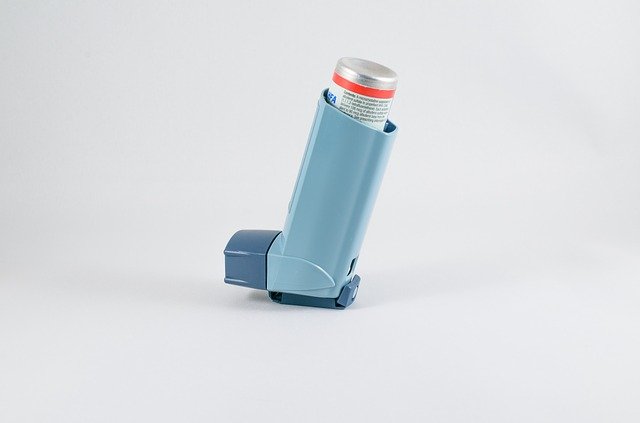
Know exactly how any asthma medication you take or may take works. Asthma is usually treated with an everyday medication that is sometimes supplemented with an emergency treatment, like an inhaler. Because asthma does not get cured, those afflicted with it must continue to take their regular medication and use their rescue inhaler when needed.
Anytime you clean your house or apartment, wet mopping is superior to sweeping. Sweeping can trigger an asthma attack due to the copious clouds of minute asthma-triggering particles it kicks up. Also, use damp rags instead of feather dusters to dust your furniture.
When taking asthma medications on a plane trip, bring written medical prescriptions provided by your doctor. Written proof of needing your equipment can help you with any issues you might have in the security line.
Bed linens often collect asthma aggravators, such as pollen, dust and allergens. You can avoid this by making sure to wash your bed linens in hot water at least once a week. Fresh linens, washed regularly, can ensure you breathe better as you sleep.
For those struggling with their asthma, avoiding regular contact with pets is important to control symptoms. Even people that do not have allergies are prone to suffer an asthma attack from the pollen and dust on animals.
When pollen counts begin to rise, then anyone who suffers from asthma should just stay inside as much as they can. Despite being different conditions, asthma and allergies can be triggered by the same kinds of irritants. The air quality information should be used to find out when it is better to stay indoors to avoid irritants present in the air.
People who suffer from asthma should stay inside as much as they can when the pollen count is up. Even though asthma is not technically an allergy, those who suffer from allergies often find their condition is exacerbated by the same irritants and triggers that those afflicted with asthma are affected by as well. The same air quality reports available in the local news for allergy problems can also help those with asthma issues stay indoors on particularly hazardous days.
You should not use a vaporizer or humidifier if you have asthma or allergies unless you are sure that it is clean. Bacteria could breed in this moist environment and get into the air once you turn the humidifier on.
Don’t panic when you have an asthma attack. Immediately use your inhaler, then wait a half a minute and do so again. Seek help if your attack gets worse. Have someone call an ambulance for you, or have them bring you to a hospital. Try breathing in a paper bag to slow your breathing on the way there.
You need to know how to properly use your inhaler if you have been diagnosed with asthma. It is not as simple as spraying it into your mouth and breathing in. When you spray the inhaler, be sure to breathe in as deeply as you can for two to three seconds. Properly using your asthma inhaler is one of the most important ways you, as a person with asthma, can protect your health.
Have your asthma situation checked out by a doctor every so often, so that you are not blindsided by changes in your condition. Your doctor should be recording your current state as a benchmark, and making necessary changes to improve your situation if needed. You need to stay on top of scheduling doctor visits. Otherwise, your condition might deteriorate suddenly.
Make sure that you protect yourself if you’re planning on doing anything like painting your home. You should purchase a protective mask to cut back on fume inhalation. Paint can aggravate asthma, but a mask can combat the irritation because it forms a shield between your nose and the environment. Refrain from using any substance or chemical that aggravate your asthma.
You do not want to take asthma lightly. There are many serious consequences to uncontrolled asthma, so it is important to keep it under control. For example, always carry a rescue inhaler and reduce the airborne allergens and dust in your home. By implementing this advice, your symptoms may improve and you can keep your asthma under control.
Add more vitamin B6 to your diet. Studies have found that vitamin B6, which is sometimes referred to as pyridoxine, can make asthma attacks less frequent and less intense. Pyridoxine (vitamin B6) is instrumental in the production of specific molecules which help the bronchial tissue to relax. Bananas are also a wonderful source of vitamin B6.