
These days, more and more people are in need of asthma care. The demand for these products can lead to creative therapy as well as innovative new medications which serve people better. Certainly, there is a remedy that you will find helpful in controlling your asthma symptoms. Follow these tips to get just the right match in asthma care products.
If you suffer from asthma, avoid smoke, fumes and vapors. This means you should stay away from all tobacco products and carefully consider the jobs you apply to, especially in factories, as you may be exposed to harmful smoke or vapors.
If you have an asthmatic child, do not allow anyone to smoke around him. Second-hand cigarette smoke is a leading cause of asthma. Try to keep your children out of environments that are smokey to ensure the health of their lungs.
If you suffer from asthma and you smoke, it’s crucial that you quit. Although smoking is bad for all people, it is especially worse for asthma patients because it cuts off the oxygen supply that you need in order for your lungs to function and keep away asthma attacks.
Asthma is a disease that is continuous. As such, it requires long-term health management. You need to always take your medications for your everyday symptoms, and keep your quick relief medication with you in case you do have an attack. Speak to your physician and allergist to find out what medications are right for you.
You want to make sure you can avoid situations that could trigger your asthma. Certain outdoor areas may be off-limits because they cause allergies to flare up. For others, physical activities can cause them. Try to determine your asthma triggers, so you can avoid them and prevent attacks.
If you’re suffering from an asthma attack that’s moderate or mild, then work to force all the air you can from your lungs. Exhale as fast and hard as you can. Forcefully push the air out from your lungs. Inhale in three short breaths and one fourth deeper breath so that your lungs are comfortably full of air, then exhale forcefully again. Breathing in this rhythmic manner helps you to concentrate on the breaths you’re taking. This is a good way to empty your lungs and let more air come in. You may generate sputum, but the primary goal is to start breathing regularly again.
When you suffer a medium-intensity attack, try and forcefully exhale all air from your lungs. Exhale hard and fast. Force all the air out of the lungs! Inhale in a series of three, or three shallow breaths and one deep breath. After your lungs are filled with air, forcefully exhale again. Using this strategy provides your breathing with a rhythm that forces you to focus on it. It also pushes the air out of your lungs, so that more air can come in. You might start coughing, and some sputum may come up, but this is no problem and your focus is to get back into a relaxed, rythmic breathing pattern again.
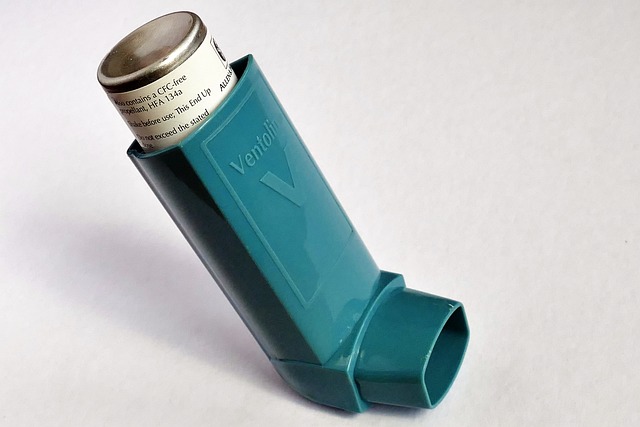
Know how to use your inhaler correctly. Get to a place out of the way, and read the directions before starting. The only way the inhaler will work is if your lungs get the proper amount of medication. While taking a deep breath, spray in the recommended dosage. Hold in your breath for 10 seconds so the medicine works properly.
Be sure to avoid cigarette smoke if you have asthma. You should not smoke! It is also a good idea to stay away from the fumes or vapors from harsh chemicals, such as those used in cleaning. Any of these things can trigger an asthma attack. Never visit a home or establishment where people will be smoking, and if people start to smoke, walk out.
Social Worker
Properly use the inhaler every time you must use it. An inhaler is most effective if used in a relaxed location and according to the maker’s instructions. Your inhaler will only help if you breathe very deeply. The dosage that is required should be sprayed into the mouth while you inhale air. Hold your breath still for ten seconds at least in order to let the mist with medicine fill your lungs.
Consider consulting a social worker if your asthma medication is not covered by an insurance policy. It is critical that every asthma sufferer have access to the proper medicines to keep the condition under control, and a social worker could help you locate a hospital or clinic that will provide you the necessary medication on a low or no-fee basis.
Keep your home meticulously clean to reduce attack potential if there is an asthma sufferer living there, especially the bedroom. Avoid smoking inside, and only let people eat in the kitchen. Try not to use bleach or other irritants inside, and always thoroughly change the air in your house after cleaning.
Studies show that using a variety of cleaning products in the home can actually increase the odds of triggering an asthma attack. A great way to prevent this is to purchase some organic, non-chemical cleaning products. These all-natural products are safe when inhaled.
Understand what things make your asthma flare and avoid these things or manage the symptoms. The majority of individuals afflicted with asthma know there are common irritants like pollen, pet dander and smoke. Try to avoid the things that make your asthma flare up.
If you’ve got asthma, don’t smoke or be near smokers. Inhaling smoke from tobacco products can compromise your lung function, which then makes you more susceptible to an attack. The risk of an attack from cigarette smoke is increased as the space you are in decreases.
While traveling, always keep emergency asthma medication on hand and close by. Traveling is hard on your body, opening you up to an asthma attack. Traveling can make asthma symptoms worse, and it is difficult, nearly impossible to control environmental triggers during travel.
Unscented products are best for asthma sufferers. Fragrances are present in hundreds of common consumer products, including cleaning supplies, perfumes, detergents and room sprays. Any of these items could easily increase the of triggering an attack. Fresh paint and new carpeting also give off odors that may aggravate the airways. Try to maintain fresh air inside your home.
You may want to think about joining support groups you can find both online and offline. Suffering from asthma can mean many days are spent at home with your condition stopping you from participating in a full and fulfilling lifestyle. Others who suffer from asthma can give you immeasurable amounts of support and advice, and help you keep up with new medical developments.
Keep your home dust-free and get rid of any carpet in your house to help prevent asthma attacks, especially in a bedroom. Refrain from smoking inside the home, and keep edibles inside your kitchen. Air the house out thoroughly after cleaning and avoid the use of bleach and other harsh chemicals indoors.
Humidity in the home can create an environment that is ideal for mold and mildew to grow. These things can trigger asthma attacks very easily. It is best if you keep the air in your home as dry as possible. Using a dehumidifier during cold weather and turning on your air conditioner when the weather gets hot again can help keep humidity out of your home to ensure your asthma is under control.
Your asthma medication may need to be adjusted if you become ill. The effects of some illnesses can exacerbate the effects of your asthma, causing the need for more treatments. Your doctor may prescribe a new medicine or change the dose of your existing medication until the hay fever or cold passes.
Be sure you understand how to use the medication you’re given for asthma properly, especially your rescue medication. A treatment made up of a daily medication plus a rescue inhaler can help to keep asthma under control. Asthma is an illness that is chronic in nature, so it is imperative to take the management medicine as directed and only using the rescue inhaler when necessary.
If you suffer from asthma, you should refrain from sleeping on a pillow that contains feathers. Feathers can decrease lung function and cause asthma symptoms. Also, make sure your other bedding is made with hypoallergenic materials.
You can use the preventative inhaler daily, but know that it can cause mouth infections near your gums and teeth. To avoid those complications, be sure to brush teeth, gargle, and rinse mouth completely right after you have used the inhaler.
As shown, there is a wealth of treatments and strategies to help control your asthma. You must find a treatment that works perfectly for you. A lot of information is available about different treatments. By applying the tips laid out here, you will be able to improve your breathing capacity.
Take note of how often, from a weekly standpoint, you use the rescue inhaler. If you are utilizing your inhaler more than two times per day, you might not be controlling asthma as well as you think you are! This number can help you monitor your environment for asthma triggers and let you determine if your treatment plan is working properly.