
As hard as living with asthma is, there are ways to manage your symptoms so you can live a happy and healthy life. You have many options for treating your asthma and not letting it hinder your life. Here are some suggestions that can help you live with asthma.
Asthmatics should not smoke. If you smoke – quit immediately. Smoking is bad in general for everyone, but it is particularly worse for asthma suffers because it decreases the amount of oxygen in the lungs, putting you at higher risk for asthma attacks.
Figure out what type of asthma you are suffering with. When you know in-depth information about your asthma, you can figure out how to fight against it. People who suffer from exercise-induced asthma should consider carrying an emergency inhaler in their bag. You can avoid a crisis by knowing your symptoms’ patterns.
It is important that you try to stay clear of cleaning products if you have asthma. A lot chemicals that are in these items can set off an asthma attack or aggravate other symptoms. There are many all-natural organic cleaning products available that may help eliminate asthmatic problems.
You want to make sure you can avoid situations that could trigger your asthma. For many people, allergens such as dust and pollen can induce an attack. Others find themselves suffering from attacks when they overexert themselves. Figure out what sets off your asthma so you can avoid it.
There are certain medications that cause or exacerbate asthma symptoms. Not everyone knows this. A couple of common culprits that do this are aspirin and NSAIDs. Some medications for blood pressure and heart disease – those referred to as beta blockers – can also exacerbate asthma problems. If you have asthma and these other conditions, let your physician know.
If the room you are in appears to be dusty, refrain from turning on any fans. This can move the dust around and can trigger an attack easily. It’s better to open the window if you’re in need of fresh air.
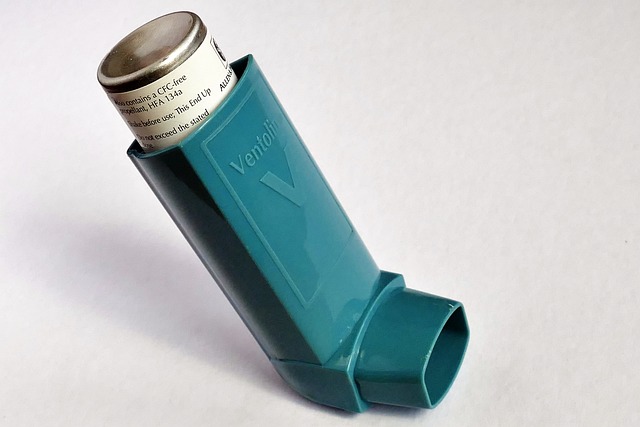
Know how to use your inhaler properly! A lot of people use inhalers improperly, so be sure that you’re adhering to the manufacturer’s suggested instructions. The only way the inhaler will work is if your lungs get the proper amount of medication. Inhale deeply and spray the correct dose into your mouth. You should hold your breath 10 seconds so the medicated mist is able to fill up your lungs.
If you suffer from asthma and you are not eligible for health insurance, speak with a social worker. Social workers are often able to locate a hospital or clinic that can offer free or low cost options to make sure you can fill your medication prescriptions.
If you have asthma and cannot afford health insurance or have no eligibility, bring up your situation with a social worker. You will need asthma medications, and if you are unable to afford them, a social worker can find a hospital or clinic that can offer you medication for free or for a little cost.
Take a lot of Vitamin E and C if you are suffering from asthma. These vitamins are thought to help improve lung function and control asthma symptoms. It is possible to acquire the necessary amounts by eating foods or by taking dietary supplements. The vitamins work to strengthen your immunities, thereby warding off sicknesses that tend to exacerbate asthma.
Both Vitamin C and Vitamin E are important if you suffer from asthma. These vitamins have been known to improve the function of the lungs and reduce some asthma symptoms. You can find the vitamins you need in food or supplements. These vitamins can improve your immune system to prevent asthma triggers.
IF you have asthma, you should consider buying a dehumidifier. Decreasing the humidity in the house decreases dust mites, which decreases asthma flare ups. A dehumidifying device reduces the moisture in the air.
If you have asthma, it is imperative that you stay away from smokers. When tobacco smoke is inhaled, especially in closed-in areas, your lung function can be drastically decreased, which can increase your chances of suffering from an attack.
If you have hay fever or a cold, chances are your asthma treatment will be increased. These illnesses have side effects that can cause asthma to flare up and make an increase in medication necessary. Your doctor may also add another treatment to your regimen until your illness gets better.
Lower the chances of asthma attacks by keeping a spotless home, particularly in the areas where you sleep. Also, you should keep food confined to the kitchen, and opt to smoke outdoors only. Air the house out thoroughly after cleaning and avoid the use of bleach and other harsh chemicals indoors.
Make sure you know what triggers asthma attacks so you can either avoid those triggers or be prepared to manage your asthma symptoms. If you have asthma, it’s most likely triggered by things such as being around animals or pollen. Most asthmatics also can’t tolerate smoke. Whenever possible, avoid those substances that trigger either symptoms or full-blown attacks.
Be certain you are aware of all your asthma attack triggers so you know both how to steer clear of them and also be ready to take care of your symptoms. Those who experience asthma are susceptible to some common things like pet dander, smoke, or pollen. Do your best to avoid coming into contact with substances that you know will trigger your symptoms.
Even if you are feeling great, don’t skip your asthma check-ups. You can not predict when an attack might hit you, or if your doctor has found a different medication that is safer and will help your symptoms more.
Take your rescue inhaler and keep it handy when you travel. Traveling is hard on your body, and you might have an asthma attack easier because your body is more likely to respond to triggers. You also have little control over your environment when traveling, which can make you more susceptible to an attack and symptoms of greater severity.
You may want to think about joining support groups you can find both online and offline. Asthma, especially the more severe forms, cause many problems that interfere with the quality of life and present many challenges. The individuals in this group could also provide you with new insights about medications that are out there, as well as other advice in dealing with asthma.
Mold and mildew thrive in homes with high humidity levels. These can very easily cause an attack. It is best if you keep the air in your home as dry as possible. During the winter, you can use a dehumidifier to control humidity when using a heater, and an air conditioner during the summer will help keep your home dry.
A humid home will cause mold or mildew to appear. Both mold and mildew are associated with asthma attacks. So try your best to make your home as dry as possible. One way to control the humidity in the house is to employ a dehumidifier to pull out the excess moisture.
When dealing with an asthma attack, it is important to stay calm. Take your first dose of your inhaler and then wait thirty seconds. You can use your inhaler again after that. Should your asthma get even worse, seek medical attention immediately. Ask a family member or friend to call for ambulatory help or to drive you to the emergency room. Inhaling and exhaling into a paper bag can slow your breathing while en route.
If you are traveling by plane and must bring inhalers or nebulizers on board, you should bring a written prescription for the equipment. Having written documentation supporting this medically necessary item will eliminate any hassles when going through the security check point.
If you suffer from asthma, it is imperative that you know how to correctly use your inhaler. It is not as simple as spraying it into your mouth and breathing in. Every time you spray the inhaler, breathe deeply inward for about three seconds. Using the inhaler in a proper manner can make all the difference for those who deal with asthma.
It’s a very good habit to use your asthma inhaler as a daily preventative, although the drug residue can cause issues for your gums and teeth. Always clean your teeth and rinse your mouth after you use your inhaler.
Talk to your doctor about adjusting your medication if you find yourself using the inhaler 3 or more times per week. This frequency of inhaler use means that your inhaler medication is not functioning effectively. Also, if you refill the inhaler more than 2 times each year, there is the same result, which means making an appointment with your doctor.
Pay attention to how often you reach for your asthma inhaler each week. It is possible that your asthma may be out of control or that there are extenuating circumstances that are exacerbating your condition. This number can help you monitor your environment for asthma triggers and let you determine if your treatment plan is working properly.
If you are going to be painting in your house, wear a mask, as it will protect you from harmful fumes. Not surprisingly, paint fumes are a known irritant for asthma. Specially designed masks can filter out these fumes. Don’t use certain chemicals and substances that could aggravate your asthma.
Asthma Attack
Try to take your time as you build your strength, this will also allow you to gradually increase the capacity of your lungs as well. If you think the physical exertion will be too much for your asthma, it likely is.
Avoid smoke, if you don’t want to have an asthma attack. Inhaling smoke makes it harder for you to breathe and might result in an asthma attack. So do whatever you can to stay away from vapors, chemical fumes and smoke from cigarettes. These are all common triggers and can aggravate asthma symptoms. If you in the company of someone who smokes, politely ask him to refrain when you are near.
If you do not have your inhaler or medication present when you have an asthma attack, find some caffeine. Strong tea, coffee, or chocolate can give you some caffeine to help the asthma attack. Caffeine works because it constricts blood vessels and opens up the airways.
During times that pollen counts are high, asthma sufferers should try to stay indoors. While asthma isn’t a type of allergy, those with asthma are frequently bothered by the same kinds of irritants that cause problems for allergy sufferers. Information about local air quality is available in many areas so that those with asthma can reduce their outdoor exposure if irritants are within the air.
It is important to eliminate cigarette smoking anywhere an asthma sufferer is likely to be. Smokers should be required to leave the premises and put significant distance between themselves and the asthma sufferer. Heavy smokers can cause severe asthma attacks in people who suffer from this condition, as they carry the smell of smoke buildup in their clothing.
Don’t use humidifiers or vaporizers in your home until they have been rigorously cleaned, if you suffer from either asthma, allergies or both. Bacteria could breed in this moist environment and get into the air once you turn the humidifier on.
Yearly flu vaccinations are highly recommended. Even if the flu or cold seasons do not affect you, it is still better to get vaccinated against them. When you are prone to asthma attacks, you are more inclined to suffer seriously from any kind of respiratory and sinus infections that could be caused by the flu virus.
If you experience a sudden asthma attack, staying calm is extremely important. Grab your inhaler and use it, then wait to see if it helps. If not, then use it again in thirty seconds. If the attack gets worse doesn’t get better, then get help immediately. Have someone phone an ambulance or drive you to a hospital. Try putting a paper bag up to your mouth and breathing into it to help slow your breaths.
Be aware of the signs of an asthma attack, if you have an asthmatic child less than 5 years old, in order to know when professional medical care will be necessary. Some symptoms to watch for include: an inability to inhale adequate air, difficulty making sounds and speaking, extreme concavity of the abdomen while inhaling and gasping for breath. A single one of these symptoms signals an immediate need for medical care.
As this article shows, you can control the symptoms of asthma and keep on with your daily routine. Asthma doesn’t have to ruin your life; make some plans on how you can effectively live with it.
Don’t do a lot of exercising outside when it’s cold and the air is dry. An asthma attack can occur because your bronchial airways end up being cool and dry. It is important to ensure that it is warm outdoors before you venture out to exercise.