
Millions of people, no matter what their age, suffer with asthma everyday. Are you somebody who is dealing with this issue? The following article has simple advice for keeping asthma under control.
If you suffer from asthma, avoid smoke, fumes and vapors. You must abstain from using any tobacco products. Also, when job hunting, you need to take into consideration whether or not you will be exposed to anything detrimental to your condition while on the job.
If you suffer from asthma, avoid smoke, fumes and vapors. This means avoidance of all tobacco products, as well as taking into consideration any smoke or vapors you might be exposed to in a prospective workplace.
If you suffer with asthma, avoid cleaning products. Asthma sufferers are often sensitive to chemical cleaners; using these products can sometimes trigger asthma attacks. If you enjoy cleaning, or are the sole cleaner in the household, you are sure to be able to find one of the many natural cleaners that will be safe for your use.
Smoking should never be done around children, especially a child who suffers from asthma. Secondhand smoke is something that can lead to serious asthma. Never allow anyone to smoke around your child, and teach them not to smoke as an adult themselves.
A lot of medications can trigger an asthma attack without you knowing. A couple of common culprits that do this are aspirin and NSAIDs. Also, beta blockers, such as medicines used to control heart disease and high blood pressure. It is important to let your doctor know if you suffer from asthma together with any of these conditions.
Avoid anything that is known to trigger your asthma. For some, allergens such as dust and pollen can trigger an attack. Some things, such as physical exertion, can cause an asthma attack. Try to see what cause your asthma so that you can avoid it.
Asthma is not a curable disease and will require life-long health management. Be certain that you are prescribed or using the appropriate medicine to manage your daily symptoms, and that you have an emergency medicine readily available in the event of an attack. To find which treatment options are the best for you and your condition, make sure you speak with a doctor and allergist.
Heart Disease
If you have mild to moderate asthma attack, breathe out forcefully to get every bit of air out from your lungs. Breathe out hard and fast. Push that air from your lungs with all that you’ve got! Inhale for three quick breaths, and then take one deep breath so that you can allow your lungs to fill with air, and then force the air out again. This creates a rhythm to your breathing, making you pay attention to the breaths you take. In addition, it repeatedly empties your lungs of air, so that you can draw in more oxygen-rich air. This breathing technique may cause some coughing or sputum, but it can help regulate your breathing and reduce the attack.
There are some medications that may contribute to asthma symptoms. Some of these include aspirin and NSAIDs. Also, beta blockers, such as medicines used to control heart disease and high blood pressure. If you have asthma paired with heart disease or high blood pressure, tell your doctor.
An annual flu vaccination is recommended for you as well as other members of your family. If you have asthma, try to avoid getting respiratory infections if you can. This means that you should take all standard precautions to avoid illness, such as washing your hands, getting vaccinated and avoiding those who are sick.
If you are dealing with asthma, keep far away from cigarette smoke. Smoking is especially dangerous for asthmatics. Stay away from vapors and chemical fumes, too. This can trigger an unstoppable asthma attack. If others are smoking nearby, leave that area as quickly as you can.
When dealing with hay fever or a cold, you will notice an increase in your asthma symptoms. These illnesses have side effects that can cause asthma to flare up and make an increase in medication necessary. It is possible your doctor will want to add additional therapies to your treatment program until you are back on your feet.
Though it should go without saying, do not turn on any fans or circulation systems when in a room containing visible dust that has yet to be cleaned. The wind will move dust around and get into your airways causing an attack. If you need airflow, simply opening a window would be better.
Take notes of what can trigger your asthma attacks so that you can be prepared for a future attack or learn how to avoid them all together. Most with asthma share common triggers, like pet dander, pollen or smoke. If able, avoid anything that results in symptoms of asthma or an asthma attack.
If you suffer from asthma and allergy attacks, ask your doctor for a long-lasting allergy injection. It is called omalizumab, and it is an antibody medicine used to control allergic reaction symptoms. You will need to speak to your allergist to find out if this would be helpful to you.
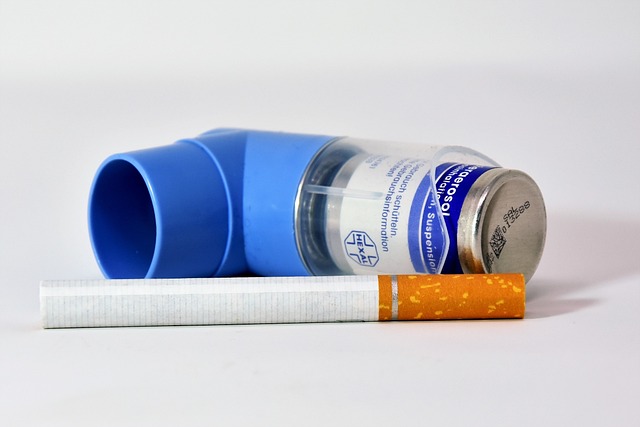
Many of the biggest triggers for asthma can, and do, exist in your home. Three triggers comprise the asthma triad of doom: spores, dust and mold. To ensure health and reduce the potential for asthma attacks, have a yearly inspection for the presence and removal of these hazards. If you clean your house regularly, you can minimize the risk of these substances accumulating in your dwelling.
Consider a leokotriene inhibitor if your asthma is not controlled by other methods. There are modern medicines that are highly effective at blocking leukotrienes. Leukotriene, a chemical released by the body in response to an allergen, is responsible for inducing many of the symptoms of an asthma attack. This inhibitor can prevent leukotrienes, which makes you less likely to have an asthma attack.
The more humid your home is, the easier it is for mildew and mold to grow. These can very easily cause an attack. Therefore, it can benefit you to ensure your home stays as dry as possible. During winter time, use a dehumidifier if necessary to control humidity while running your heater, and use your air conditioner during summer months to keep air dry.
Learn how to properly use your inhaler. Locate a quiet place, and follow the label to a tee. The inhaler can only help you if the medication actually reaches the lungs. Spray the dosage into the mouth while you inhale air. Hold your breath still for ten seconds at least in order to let the mist with medicine fill your lungs.
It is important to use your maintenance inhaler daily as prescribed. However, understand that most types of inhalers contain ingredients which may make your mouth more susceptible to infections. To prevent complications from using a preventative inhaler, brush your teeth immediately after using it and use mouthwash as well.
If you have been diagnosed with asthma, you should avoid smoking or even being in the presence of smokers. When you inhale tobacco smoke, particularly in small areas without much ventilation, lung function may be severely impacted, and you have a higher chance of having an attack.
When housecleaning, it is better to clean your floors with a damp mop than sweeping them with a broom. Sweeping your floor can kick allergens into the air, triggering an asthma attack. When dusting, try to use a damp rag rather than a feather duster to cut down on the spread of the triggers.
People who have asthma should avoid using scented household products. Using scented products, like air fresheners and perfume, will increase the level of air pollution and is likely to trigger an attack. Be aware that fresh paint and new carpet also can emit harmful odors that irritate sensitive airways. As much as possible, try to keep your home filled with fresh, pure air.
Avoid all types of smoke, including cigarette smoke, if you have asthma. Smoking can actually trigger an asthma attack. Make sure to stay away from chemical fumes and cigarette smoke whenever possible. Any one of these things can aggravate asthma symptoms and cause an episode. Politely request that smokers abstain from smoking in your presence.
Stand ready for a boost to your asthma treatment should you suffer from illnesses like colds or hay fever. Adjusting your medication may be necessary to manage the symptoms of these and other illnesses. Your doctor could add another treatment into your regimen until the illness is better.
Anyone with asthma should limit their exposure to household pets and other types of animals. Even if they are not allergic to the animals, the pollen and dust that animals attract can trigger an asthma attack.
Take notes of what can trigger your asthma attacks so that you can be prepared for a future attack or learn how to avoid them all together. Common triggers among asthma sufferers are smoke, pollen, or pet dander. If able, avoid anything that results in symptoms of asthma or an asthma attack.
It is important to keep away from humidifiers that have not been sanitized if you suffer from asthma or allergies. Bacteria can grow inside the machine because of the moist environment, and you will be releasing that right into the air if you are using it.
Even if your asthma seems like it is under control, always keep your asthma appointments with the doctor. You never know when you might suffer another flare-up, or when your doctor might have a better or safer medication to prescribe for your symptoms.
Proper use of an inhaler is crucial if you suffer from asthma. Simply spraying it and then inhaling in a shallow manner will negate the inhaler’s benefits. Breath deeply each time you push your inhaler button. Without proper breathing techniques with your inhaler, your symptoms will worsen.
If you read this article, you’ll learn some ways you can keep your asthma under better control. The tips in this article are only as good as the effort you put into them. Don’t stop using a new method when your asthma improves, either. If you stop treating your asthma, symptoms and problems often return. Your asthma can flare up when you stop paying attention to warning signs and symptoms. Consider these tips as preventive measures to help you improve your life.
Finding out as much as you can about asthma is a good way to help you manage your asthma. Education is a priceless tool in finding the proper treatment for your asthma. Stay up to date with current treatments and make sure you have the best care possible. You need to learn about asthma and the treatment options available.