
It can seem impossible to do many physical tasks if you are one of the many who have asthma. Fortunately, there are so many different treatments that can make your day-to-day life less intimidating. These tips can help you manage your asthma and help you learn more knowledge about your condition.
A great idea to help your child with asthmatic problems is to avoid smoking in any areas they frequent. Secondhand smoke is one of the leading culprits that causes asthma. Always ensure your child is in a smoke-free area.
What type of asthma do you suffer from? When you’re informed about your asthma, you’ll be able to do more to cope with the illness and prevent it from having a negative effect on your life. For example, if your asthma is induced by exercise, it might be wise to always have an inhaler in your gym bag. You can actually start preventing asthma attacks if you are aware and mindful of any patterns that your symptoms present.
If you suffer from asthma and you smoke, it’s crucial that you quit. Although smoking causes health problems for everyone, it is even more dangerous to asthma sufferers because the smoke causes airway swelling that cuts off oxygen to your lungs, and can trigger an attack.
If you have moderate asthma attacks, exhale forcefully, so that you force air from your lungs. Exhale quickly and with power. Expel the air in your lungs with great force! Then, follow three short intakes of breath with one longer inhalation until your lungs are filled with air, although not uncomfortably so. Finally, expel the air from your lungs with force again. Breathing in this rhythmic manner helps you to concentrate on the breaths you’re taking. It also expels air from your lungs so more can enter. You might cough hard or create mucus, but its just a sign your breathing is getting back to normal.
Some medications are known to cause asthma symptoms. Various NSAIDs and aspirin have been reported to do this. Beta blockers, such as those used to control high blood pressure or heart disease may also have this effect. If you’ve been diagnosed as asthmatic and are taking medications unrelated to your asthma, be sure your doctor is aware of them.
Asthma Attack
Asthma is a disease that is continuous. As such, it requires long-term health management. Always be very sure that you’re taking the right type of medication for your condition if you hope to control it. It’s also important to have a quick-relief medication available. To find which treatment options are the best for you and your condition, make sure you speak with a doctor and allergist.
Any type of smoke can bring on a serious asthma attack. Asthmatics should also never smoke. Do not breathe in the vapors or any other chemical fumes. This can trigger an unstoppable asthma attack. Never visit a home or establishment where people will be smoking, and if people start to smoke, walk out.
When suffering a mild or even moderate asthma attack, attempt to push all air from your lungs. Breathe out hard and fast. Really force that air out of your lungs! Then take three quick breaths, next a deeper breath till your lungs fill with air, then repeat the forceful exhalation again. This will create a rhythm and will help you be aware of the way you are breathing. It also helps to push air out from your lungs so new air can come back in. You may cough or generate sputum, this is okay, your main goal is to get your breathing back on track again.
If you find yourself in a room that is dusty, don’t turn on any kind of fan. The wind will move dust around and get into your airways causing an attack. It could be better to open the window if you need to get airflow.
Asthma sufferers should avoid smoking cigarettes and any place that has cigarette smoke. Smoking is especially dangerous for asthmatics. It is also a good idea to stay away from the fumes or vapors from harsh chemicals, such as those used in cleaning. This can cause your asthma to flare up, causing an attack that may be uncontrollable. If you are around others who are smoking, remove yourself.
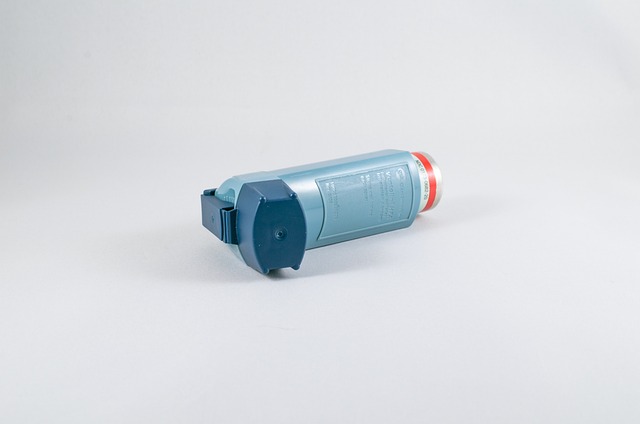
Properly use the inhaler every time you must use it. A lot of people use inhalers improperly, so be sure that you’re adhering to the manufacturer’s suggested instructions. Your inhaler will only help if you breathe very deeply. While inhaling air, spray the proper amount of inhalant into your mouth. Then hold it and try not to breathe for a minimum of 10 seconds. This will give enough time for the medication to properly fill out your lungs.
If you’re in a room that has a lot of dust in it, don’t turn on a fan. This will move all the dust around, and can easily trigger an asthma attack. If you feel you need airflow, open a window instead.
If you are dealing with asthma, you would benefit from buying a dehumidifier. Reducing the amount of humidity in your home reduces the number of dust mites, which in turn reduces the chances of your asthma flaring up. A dehumidifier works to dry the air by removing moisture.
Make sure that everyone in your family gets their flu shot. It is a good idea to avoid all respiratory infections when you have asthma. This includes preventive measures against sickness, such as practicing good hygiene and getting all recommended vaccinations.
Cleaning Products
Stand ready for a boost to your asthma treatment should you suffer from illnesses like colds or hay fever. The effects of an illness can cause the severity of your asthma to temporarily increase, which necessitates a change in treatment. Your doctor may also add another treatment to your regimen until your illness gets better.
An increased propensity for asthma attacks has been linked with the utilization of multiple cleaning products. The more you use, the greater the risk of an attack. Use organic cleaning products since they don’t have irritating chemicals.
If you have asthma or you live with an asthma sufferer, you should ensure you receive an annual flu shot. Get vaccinated every flu season to avoid a high number of infections.
You can help to prevent asthma attacks by maintaining a clean home, particularly the asthmatic’s bedroom. Also, you should keep food confined to the kitchen, and opt to smoke outdoors only. Bypass chemicals when cleaning your home if at all possible, and be sure to open doors and windows afterwards.
A lot of the main causes, and triggers, of asthma may exist right in your home. These causes are sources, such as, but not limited to dust, mold and spores. To keep these triggers out of your home, have a professional inspector come to your home each year to remove these nasties from your home. Cleaning your house on a regular basis is one way to keep these substances from accumulating.
Stand ready for a boost to your asthma treatment should you suffer from illnesses like colds or hay fever. An increase in treatment is necessary sometimes because side effects of other sicknesses can cause your asthma symptoms to flare up. It is possible your doctor will want to add additional therapies to your treatment program until you are back on your feet.
A humid home will cause mold or mildew to appear. This stuff can easily set off an asthma attack. You will benefit greatly from keeping the moisture out of your home’s air. During the cold, winter months, a dehumidifier can help. In the summer, an air conditioner naturally takes out a lot of the humidity in the air.
Avoid using a feather or down pillow if you have asthma. Feathers can have a negative effect on the lungs and can worsen asthma symptoms. This extends to the rest of your bedding, as well. There are hypoallergenic comforters and sheets you can use to limit asthma symptoms.
When it’s colder, wear a shawl, scarf or muffler that will cover your mouth and nose to avoid asthma attacks. Bundling up puts heat between the air and your lungs, which can help lessen your risk of an asthma attack. Breathing cold air triggers your asthma attacks, particularly in young kids with bad asthma.
Avoid smoke, if you don’t want to have an asthma attack. Smoking can trigger a person who has asthma to have an attack. Stay away from cigarettes, chemicals, and anything else that may emit smoke. Any inhalant, which is irritating, can trigger an asthma attack! If someone is smoking near you, either ask them to stop or remove yourself from the situation.
Find out how you are supposed to use your asthma medication and rescue treatments. Asthma is usually treated on two fronts. One is a standard medication, taken daily, and the other is an inhaler, intended for use in an emergency. Asthma doesn’t go away, so it’s important to be vigilant about taking your daily medication and using your rescue inhaler when an attack occurs.
Asthma sufferers need to know which types of animals and breeds won’t trigger their asthma attacks. Even if they are not allergic to the animals, the pollen and dust that animals attract can trigger an asthma attack.
Remain calm in the event of an asthma attack. Use your rescue inhaler, rest for a half to one minute, then use the inhaler again. If this does not help and your attack gets worse, you need to get immediate medical assistance. Get somebody to phone for EMS or even transport you themselves to the nearest emergency medical facility. While heading to the hospital, breathe into a paper bag; it will slow your breathing rate and help reduce the attack.
Bed Linens
If you use an inhaler more than 2 times a week, talk to your doctor about a new medication potentially. Frequent use of the rescue inhaler means that your management medicine is not working as it should. This also goes for refills. If you find yourself refilling your inhaler in excess of twice a year, then you need to change medications.
Your bed linens are where pollen, dust and other allergens like to collect. You may cut down on these potential inducers of an asthma attack by cleaning your sheets and pillows in hot water each week. Sleeping with fresh bed linens will ensure you can breathe easy when you sleep.
Learn as much as you can about asthma. The more you know about the condition, the better you can help yourself. Keep yourself up to date about new findings and find a good doctor. The best thing you can do is educate yourself about asthma and its treatment.
You should have a team of medical professionals to help you craft your asthma treatment. Your family doctor will be in charge of your asthma treatment, but seeing a specialist can provide you with invaluable help. Allergists, asthma centers, pulmonologists, and even nutritionists can work with you to make sure you are taking advantage of all avenues of treatment.
Make sure that you protect yourself if you’re planning on doing anything like painting your home. You should purchase a protective mask to cut back on fume inhalation. Paint fumes are especially dangerous for asthmatic people, but a mask will prevent asthma attacks efficiently. In fact, you should stay vigilant here and avoid any and all chemicals that may trigger an asthma attack.
With what you learned in this article, you should have a good understanding of how to handle asthma respiratory symptoms which will leave you more confident with the topic in general. Asthma is not a death sentence. Whether for yourself or a loved one, these tips on asthma will help you cope.
Work on gradually training your lungs to be able to take more stress. Do not try to start with a hard workout that you will not be able to finish because your asthma will get in the way.